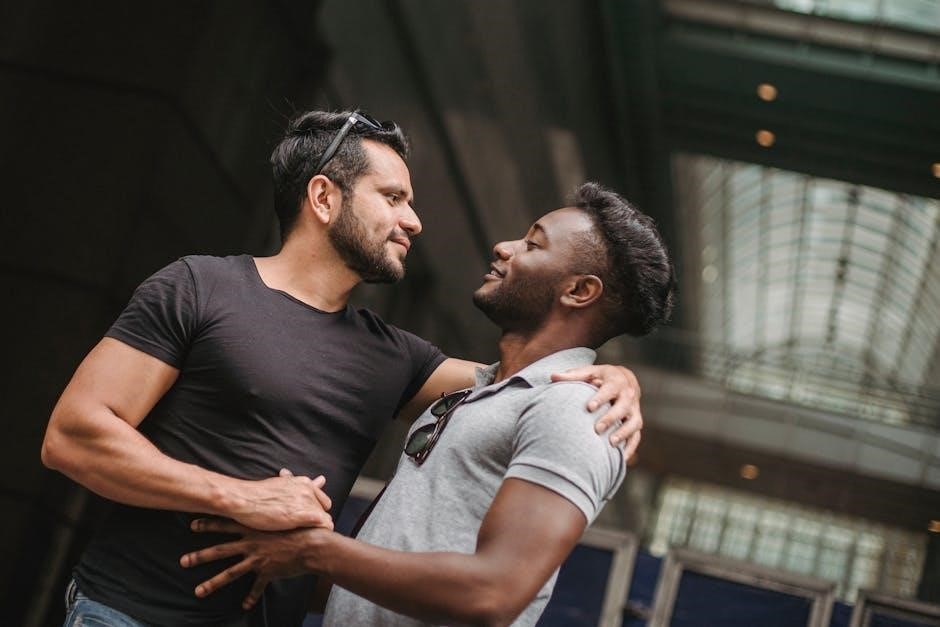
This guide empowers Black men to foster healthier relationships by understanding Black women’s experiences, cultural nuances, and emotional depth, fostering unity and mutual respect.
Overview of the Importance of Understanding
Understanding the complexities of Black relationships is vital for fostering unity and strength within the community. Historical traumas, societal biases, and cultural expectations have shaped the dynamics between Black men and women. By gaining insight into these factors, individuals can address misunderstandings and build bridges of empathy. This guide emphasizes the importance of mutual respect and open communication, highlighting how understanding fosters healthier relationships and collective growth.
Historical Context of Black Relationships
The historical context of Black relationships is deeply rooted in the legacy of slavery, which disrupted familial bonds and imposed oppressive systems. These experiences shaped the dynamics between Black men and women, often leading to misunderstandings and dysfunction. Books like Shahrazad Ali’s works highlight how these historical traumas influence contemporary relationships. Understanding this history is crucial for healing and rebuilding connections, emphasizing the need to address past wounds to foster a stronger, more united future for Black couples and communities.
Objective of the Guide
The objective of this guide is to bridge the understanding gap between Black men and women by addressing historical, cultural, and emotional factors. It aims to provide insights into the unique challenges faced by both genders, fostering empathy and mutual respect. By exploring these dynamics, the guide seeks to empower individuals to build stronger, healthier relationships rooted in communication, trust, and shared growth. Its goal is to inspire a deeper connection and unity within the Black community, promoting harmony and collective advancement.
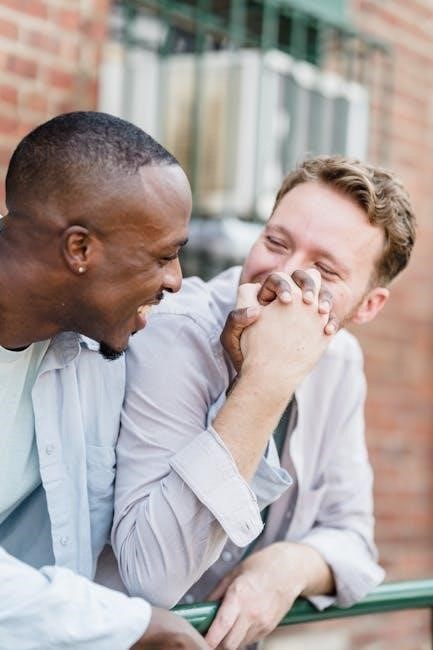
Understanding Black Women: Historical Perspectives
Black women’s roles have evolved from slavery’s oppression to modern empowerment, shaped by resilience, cultural identity, and societal expectations, offering a rich tapestry of strength and heritage.
The Impact of Slavery on Black Relationships
Slavery profoundly disrupted Black relationships, forcing separation and imposing oppressive roles. Historical trauma led to emotional labor, mistrust, and strained dynamics between Black men and women. The legacy of slavery continues to influence modern relationships, highlighting the need for understanding and healing to rebuild trust and foster unity.
Evolution of Black Women’s Roles in Society
Black women’s roles have evolved from enslaved laborers to empowered leaders, breaking societal barriers. They’ve embraced roles as educators, activists, and professionals, challenging stereotypes. Their resilience and strength have redefined expectations, fostering a deeper appreciation for their contributions. This evolution underscores the importance of recognizing their multifaceted identities and the vital roles they play in shaping communities and families.
Cultural Expectations and Their Effects
Cultural expectations have historically shaped Black women’s roles, often emphasizing strength and resilience. These expectations, rooted in societal and communal pressures, can create burdens, as Black women are frequently seen as pillars of support. While such traits are celebrated, they can also lead to emotional labor and unmet needs. Understanding these dynamics is crucial for fostering balanced relationships, where both partners can thrive without stereotypical constraints. Recognizing these cultural influences helps in redefining roles to promote mutual understanding and healthier connections.
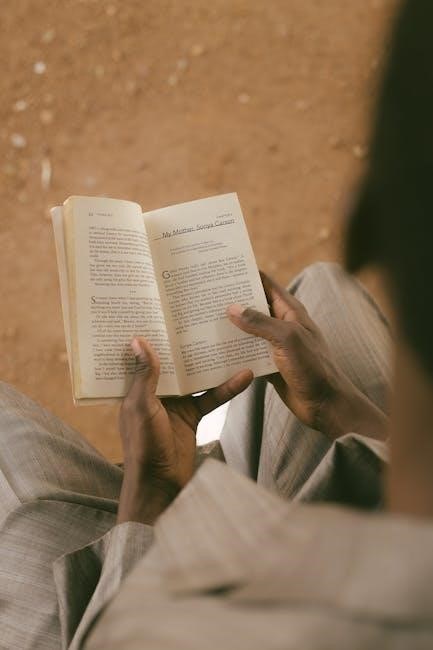
Communication: Key to Building Strong Relationships
Effective communication is the cornerstone of strong relationships, fostering understanding, trust, and empathy. Open dialogue and honest expression are vital for resolving conflicts and nurturing deep connections.

Effective Listening and Empathy
Effective listening and empathy are essential for understanding Black women’s experiences and emotions. By actively listening without interruption and acknowledging their perspectives, men can build trust and deepen connections. Empathy fosters a safe space for open dialogue, allowing both partners to express themselves honestly. Understanding the emotional labor Black women often undertake is crucial for mutual respect and support. This approach not only strengthens relationships but also promotes a culture of compassion and unity within the community.
Expressing Emotions Openly and Honestly
Expressing emotions openly and honestly fosters trust and understanding in relationships. Black men and women must communicate their feelings actively, creating a space where both partners feel heard and valued. This openness helps break down emotional barriers and promotes mutual respect. By sharing thoughts and emotions candidly, couples can address misunderstandings and strengthen their bond. Honest communication is key to building a supportive and nurturing environment, fostering deeper connections and empathy between partners.
Non-Verbal Communication and Its Significance
Non-verbal communication plays a crucial role in understanding and connecting with Black women. Body language, eye contact, and facial expressions convey emotions and intentions, often speaking louder than words. Cultural nuances and shared experiences can influence how these cues are interpreted. Being attuned to non-verbal signals fosters empathy and understanding, helping to bridge gaps in communication. By paying attention to these subtle expressions, Black men can better navigate interactions, building trust and fostering deeper connections with their partners.
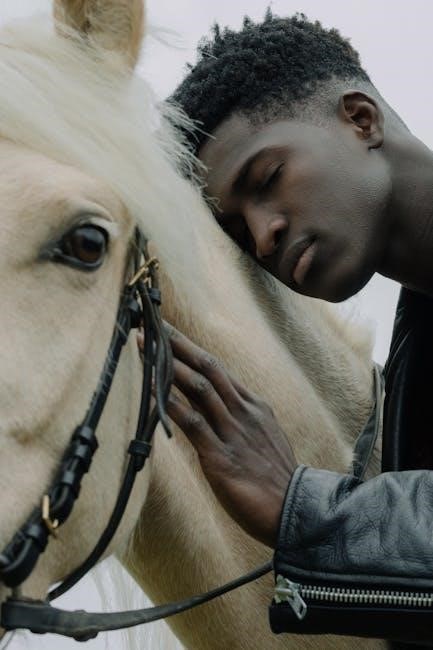
Emotional and Psychological Factors
Understanding the emotional and psychological dynamics is vital. Black women often carry the weight of resilience and strength, shaped by societal expectations and historical trauma. Trust and open dialogue are essential in healing and building connections, fostering a deeper understanding of each other’s emotional landscapes.
Understanding Emotional Labor in Relationships
Black women often bear the weight of emotional labor, balancing societal expectations with personal resilience. This labor stems from historical and cultural pressures, requiring constant validation and strength. Recognizing this dynamic is crucial for fostering healthier relationships. By acknowledging the emotional toll, Black men can offer empathy and support, creating a space for mutual understanding. This shared responsibility fosters trust and healing, allowing both partners to thrive emotionally and psychologically.
The Role of Trust in Building a Strong Connection
Trust is the cornerstone of any meaningful relationship, particularly between Black men and women. Historical and societal challenges have often eroded this foundation, making it essential to rebuild it with transparency and accountability; Open communication and consistent actions foster trust, enabling both partners to feel secure and valued. When trust is nurtured, it creates a safe space for vulnerability and collaboration, strengthening the bond and fostering a deeper emotional connection.
Addressing Past Traumas and Their Impact
Past traumas, rooted in historical injustices and societal challenges, deeply affect relationships between Black men and women. Slavery, systemic oppression, and generational pain have left emotional scars, influencing behaviors and expectations. Acknowledging these wounds is crucial for healing. Open dialogue and empathy are essential to understanding how these traumas shape perceptions and interactions. By addressing these issues together, couples can work toward mutual understanding and foster a healthier, more supportive connection, ultimately breaking cycles of dysfunction and building a stronger future.

The Black Man’s Perspective
This section explores the challenges Black men face, misconceptions about Black women, and strategies to break stereotypes, fostering unity and understanding through empathy and open dialogue.
Challenges Faced by Black Men in Relationships
Black men often navigate relationships amidst societal stereotypes, historical trauma, and systemic challenges. The legacy of slavery and oppression has shaped dynamics, creating misunderstandings and mistrust. Societal expectations of masculinity can hinder emotional expression, while misconceptions about Black women’s strength may lead to communication barriers. Additionally, the pressure to be providers and protectors, coupled with the strain of systemic racism, adds complexity. These factors highlight the need for empathy, understanding, and open dialogue to foster healthier connections and mutual respect in relationships.
Misconceptions About Black Women
Common misconceptions portray Black women as overly dominant or hyper-independent, ignoring their vulnerability. The “angry Black woman” stereotype oversimplifies complex emotions rooted in historical oppression. These narratives often stem from societal biases and media portrayal, neglecting the multifaceted nature of Black women. Understanding their experiences requires moving beyond these caricatures to recognize their humanity, resilience, and diverse roles in relationships and society. Breaking these stereotypes fosters deeper connections and mutual respect, essential for building stronger, more authentic relationships.
Breaking Stereotypes and Biases
Overcoming stereotypes requires education, self-reflection, and open dialogue. By challenging societal biases and embracing empathy, Black men can gain a deeper understanding of Black women’s experiences. This process fosters mutual respect and dismantles harmful misconceptions rooted in historical oppression. Encouraging honest conversations and actively listening to perspectives helps build bridges of understanding. Breaking these barriers is essential for fostering unity and creating healthier, more fulfilling relationships within the Black community.
Mutual Respect and Support
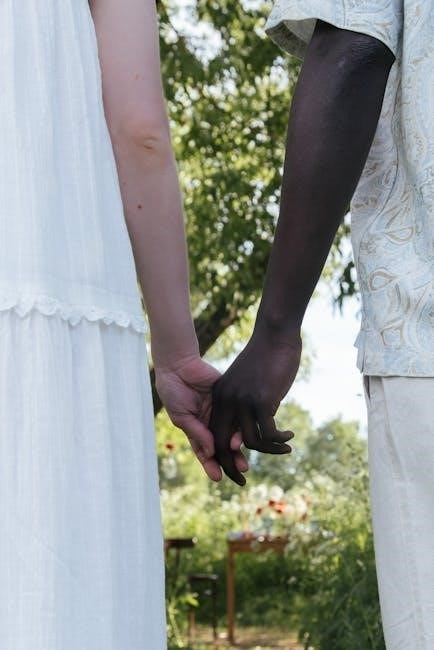
Mutual respect and support are foundational for healthy relationships. Valuing each other’s roles, aspirations, and contributions fosters a nurturing environment, strengthening emotional bonds and trust.
The Importance of Valuing Each Other’s Roles
Valuing each other’s roles fosters mutual respect and strengthens relationships. Recognizing contributions, whether in the home or career, acknowledges individual worth and shared responsibilities. Historical contexts, like the impact of slavery, highlight the necessity of respecting roles to rebuild trust and unity. By embracing each other’s strengths and supporting aspirations, couples create a foundation of understanding and collaboration, leading to healthier, more fulfilling partnerships grounded in equality and appreciation.
Supporting Each Other’s Goals and Aspirations
Supporting each other’s goals fosters growth and strengthens bonds. Encouraging aspirations, whether personal or professional, builds confidence and trust. By celebrating successes and offering guidance during challenges, partners create a nurturing environment. Open communication and active involvement in each other’s endeavors ensure mutual progress and shared achievements, ultimately leading to a more harmonious and supportive relationship.

Creating a Safe and Nurturing Environment
Building a safe and nurturing environment requires trust, respect, and open communication. By fostering emotional support and understanding, both partners can feel valued and secure. Acknowledging each other’s needs and vulnerabilities creates a foundation for growth. Shared goals and mutual encouragement help cultivate a space where both individuals thrive. This environment not only strengthens the relationship but also promotes personal and collective well-being, ensuring a harmonious and supportive partnership rooted in care and empathy.
Practical Steps for Understanding
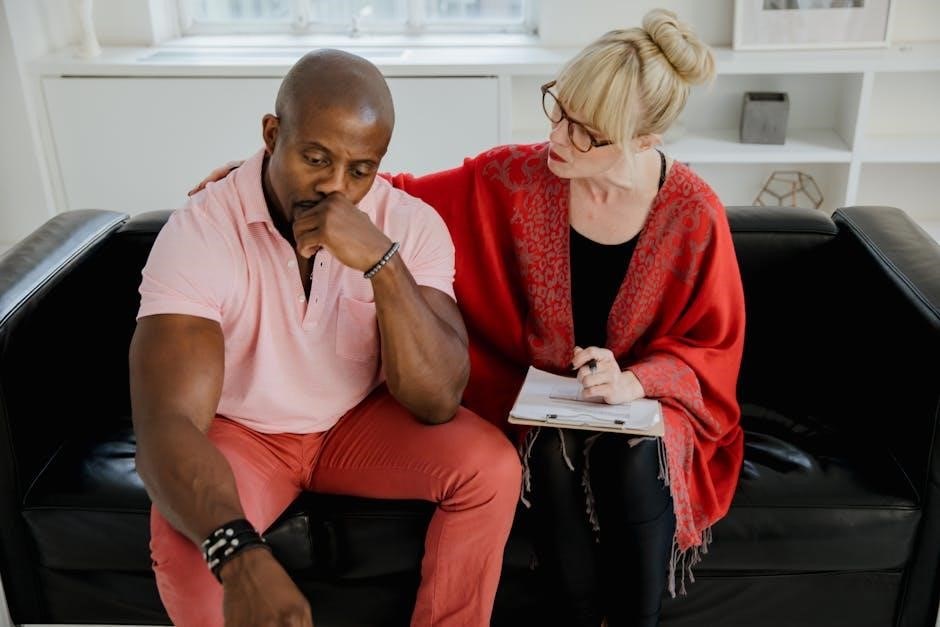
Engage in open dialogues, practice active listening, and embrace self-reflection to deepen understanding. Educate yourself on cultural nuances and apply insights to foster meaningful connections and growth.
Education and Self-Reflection
Educating oneself about the experiences and perspectives of Black women is crucial. Reading guides like The Blackman’s Guide to Understanding the Blackwoman provides insights into cultural and historical contexts. Self-reflection helps identify personal biases and societal influences affecting relationships. By examining these factors, individuals can better understand the emotional and psychological dynamics at play. This process fosters empathy, mutual respect, and healthier communication. Continuous learning and introspection empower individuals to navigate relationships with awareness and sensitivity, leading to stronger, more meaningful connections.
Engaging in Open Dialogues
Open and honest communication is essential for building understanding and trust; Encouraging dialogue allows both partners to express their feelings, concerns, and perspectives freely. Active listening and empathy are key to fostering a safe space for discussion. By engaging in these conversations, stereotypes and misunderstandings can be addressed, leading to deeper connections. Regular, meaningful interactions help clarify expectations and strengthen emotional bonds, creating a foundation for healthier and more supportive relationships. This mutual exchange of ideas promotes growth and unity, empowering both individuals to thrive together.
Applying the Insights from the Guide
Applying the insights from this guide involves putting its principles into practice through daily actions and mindful interactions. By embracing mutual respect, empathy, and open communication, individuals can foster healthier relationships. The guide’s strategies, such as active listening and addressing cultural expectations, help bridge gaps and strengthen emotional bonds. Consistent effort and a willingness to grow together are key to creating a supportive partnership. Regular reflection and adaptation ensure the guide’s teachings remain relevant and effective, ultimately contributing to a brighter future for Black relationships.
This guide empowers Black men and women to foster healthier relationships through mutual respect and understanding, promoting unity and a brighter future rooted in empathy and shared growth.
Final Thoughts on Building Healthy Relationships
Building healthy relationships requires mutual respect, open communication, and a deep understanding of each other’s experiences. By fostering empathy and support, Black men and women can create a foundation of trust and unity. Embracing cultural heritage while addressing past traumas and societal challenges is essential for growth. This guide encourages both partners to lean into vulnerability, celebrate each other’s strengths, and work collaboratively toward a future rooted in love, respect, and shared goals. The journey to understanding is ongoing, but the rewards are profound.
The Future of Black Relationships
The future of Black relationships lies in fostering unity, mutual respect, and open dialogue. By addressing past traumas and embracing cultural pride, Black men and women can build resilient partnerships. Empowerment through education and shared goals will strengthen bonds. The focus should be on collaboration, healing, and creating a supportive environment where both partners thrive. This collective growth will pave the way for a brighter, more harmonious future, rooted in understanding and appreciation for one another’s unique experiences and contributions.
Encouragement for Continuous Growth
Continuous growth in Black relationships requires a commitment to learning, self-reflection, and open communication. Both partners should actively seek understanding and empathy, fostering a culture of mutual respect. By embracing education and shared experiences, Black men and women can dismantle stereotypes and build stronger, healthier relationships. Encouraging personal and collective development ensures a future where both individuals thrive together, creating a legacy of strength and unity for generations to come.

Additional Resources
Explore recommended books, online forums, and workshops for deeper insights into understanding Black relationships, fostering growth, and strengthening connections within the community.
Recommended Reading for Deeper Understanding
Explore insightful books like The Blackman’s Guide to Understanding the Blackwoman by Shahrazad Ali, which delves into fostering mutual respect and addressing cultural misconceptions. The Blackwoman’s Guide to Understanding the Blackman offers a complementary perspective, highlighting the importance of empathy and open communication. Additional resources include The Complete Idiot’s Guide to Understanding Catholicism and The Black Woman’s Guide to Black Men’s Health, providing a well-rounded understanding of relationship dynamics, historical contexts, and societal influences. These readings promote a deeper connection and healthier relationships within the Black community.
Online Communities and Forums
Engage with online forums and communities dedicated to fostering understanding between Black men and women. Platforms like Goodreads and specialized discussion groups offer spaces to share insights and experiences. These communities provide resources, host meaningful conversations, and support personal growth. Join forums focused on African American relationships, cultural empowerment, and emotional intelligence to connect with like-minded individuals. Participating in these spaces can deepen your understanding and encourage positive dialogue, helping to build stronger, more compassionate relationships within the Black community.
Workshops and Seminars on the Topic
Workshops and seminars provide interactive spaces to explore topics like communication, cultural awareness, and emotional intelligence. These events often feature expert panels, group discussions, and practical exercises tailored to fostering understanding between Black men and women. They emphasize building healthier relationships by addressing societal challenges and fostering mutual respect. Attendees gain tools to navigate complex dynamics and strengthen connections. Such forums are invaluable for applying insights from guides like The Black Man’s Guide to Understanding the Blackwoman, ensuring meaningful growth and empowerment for all participants.