
Welcome to the Honeywell 8000 Setup Manual, your comprehensive guide for installing, programming, and configuring the system. This manual ensures proper setup and optimal performance.
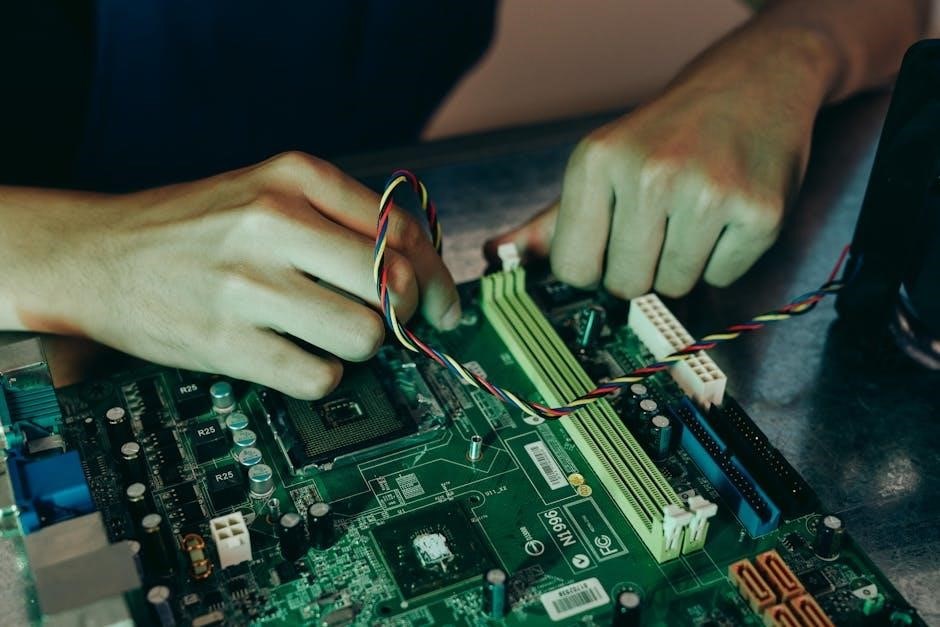
1.1 Overview of the Honeywell 8000 System
The Honeywell 8000 System is a comprehensive solution designed for efficient performance and reliability. It offers modular design, scalability, and advanced features for seamless integration. The system includes user-friendly interfaces, programming tools, and network compatibility, ensuring optimal functionality. The Honeywell VisionPro 8000 Manual serves as a key resource for understanding its capabilities. With tools like the Windows programming software CD (Part-No. 789861), users can easily configure fire alarm panels and other components. The system supports up to 99 programs and segments, making it versatile for diverse applications. Network setup options, including TFTP ports, enable secure communication. Additionally, the system integrates with Honeywell SiXPIR wireless motion sensors, enhancing security. Always follow installation guidelines to avoid hazards and ensure compliance with local standards.
1.2 Importance of Proper Installation and Setup
Proper installation and setup of the Honeywell 8000 System are crucial for ensuring optimal performance, safety, and compliance. Improper setup can lead to system malfunctions, security vulnerabilities, or hazardous conditions. The manual emphasizes following instructions carefully to avoid product damage or safety risks. Users must adhere to local standards and regulations during installation. Failure to comply can result in system inefficiency or legal issues. The Honeywell VisionPro 8000 Manual provides detailed guidelines to ensure a smooth setup process. Additionally, using the correct programming tools, such as the Windows software CD (Part-No. 789861), ensures accurate configuration. Proper setup also enhances integration with peripheral devices, like SiXPIR motion sensors, and network compatibility. Always prioritize safety and adherence to guidelines for a reliable system operation.

System Requirements and Preparation
Ensure compatibility with Honeywell 8000 system requirements, including hardware specifications and software tools. Prepare the site, tools, and necessary documentation for a smooth installation process.
2.1 Hardware Requirements for Honeywell 8000
The Honeywell 8000 system requires specific hardware components for optimal performance. These include a central processing unit, memory modules, and compatible peripheral devices. Ensure all components are verified and meet the specified standards before installation. Proper hardware configuration is crucial for system functionality and reliability. Refer to the manual for detailed specifications and compatibility lists to avoid installation issues. Failure to use approved hardware may result in system malfunctions or reduced performance. Always verify the serial numbers and part numbers against the provided documentation to ensure authenticity and compatibility.
2.2 Software Compatibility and Tools Needed
The Honeywell 8000 system requires specific software tools to ensure proper functionality and configuration. Compatible software includes the latest version of Honeywell’s programming tools and management software. Ensure your operating system is compatible with the Honeywell 8000 software suite. Required tools include configuration utilities, firmware update packages, and diagnostic software. These tools are essential for setting up and maintaining the system. Always download software from Honeywell’s official website or authorized distributors to avoid compatibility issues. Refer to the manual for a list of supported software versions and system requirements. Proper software setup is critical for optimal system performance and integration with hardware components.

2.3 Pre-Installation Checks
Before proceeding with the installation of the Honeywell 8000 system, perform a series of pre-installation checks to ensure a smooth setup process. Verify that all hardware components are accounted for and free from damage. Check the power supply requirements and ensure the installation site meets the recommended environmental conditions, such as temperature and humidity levels. Confirm that the system’s software and firmware are up to date. Additionally, review the network infrastructure to ensure compatibility with the Honeywell 8000 system. Conduct a site survey to identify potential installation challenges, such as wiring constraints or accessibility issues. Addressing these factors beforehand minimizes delays and ensures optimal system performance. Proper preparation is key to a successful installation.

Installation Process
The installation process involves organized, methodical steps to ensure proper setup. Follow detailed guidelines to ensure safety and efficiency, with each step designed for seamless execution.
3.1 Unpacking and Inventory of Components
Begin by carefully unpacking the Honeywell 8000 system from its packaging. Ensure all components are accounted for by cross-referencing with the provided inventory list. Inspect each item for damage or defects. Key components include the main control unit, sensors, wiring, and mounting hardware. Verify the presence of accessories like power adapters and user manuals. Organize the components in a clean, dry workspace to avoid misplacement. If any items are missing or damaged, contact Honeywell support immediately. Proper inventory ensures a smooth installation process and prevents delays. Store unused components securely to prevent loss or tampering. Proceed only when all items are verified and ready for installation.
3.2 Initial Setup and Physical Installation
Start by positioning the Honeywell 8000 system in a flat, stable location, ensuring optimal airflow and accessibility. Carefully place the main control unit on the designated surface, following the installation guide’s recommendations. Attach the mounting hardware to secure the unit firmly. Connect the power supply and any additional wiring as per the system’s requirements. Avoid touching sensitive components to prevent static damage. After installation, power on the system and allow it to initialize. Verify that all indicators light up and the system enters standby mode. If issues arise, refer to the troubleshooting section. Ensure all connections are secure before proceeding to the next steps.
3.3 Connecting Peripheral Devices
Connect peripheral devices to the Honeywell 8000 system according to the recommended configuration. Identify the appropriate ports for sensors, input/output devices, and communication modules. Gently plug in each device, ensuring secure connections to avoid loose wiring. Use the provided cables or compatible alternatives to maintain system integrity. For devices requiring power, connect them to the designated power outlets or the system’s power distribution unit. Avoid overloading circuits and ensure all connections comply with safety standards. After connecting, turn on the devices and verify proper functionality through the system’s control panel or software interface. Label cables for easier maintenance and future troubleshooting. Ensure all peripherals are compatible with the Honeywell 8000 to prevent operational issues.

Programming and Configuration
Program and configure the Honeywell 8000 system using specialized software tools. Set system parameters, define user permissions, and customize operational settings to meet specific requirements. Ensure proper configuration for optimal performance and security.
4.1 Using Honeywell Programming Software Tools
The Honeywell 8000 system relies on specialized programming software for configuration. These tools enable users to set up system parameters, customize functionality, and integrate with other devices. The software provides a user-friendly interface for defining operational modes, alarms, and user permissions. Advanced features include real-time monitoring and the ability to create custom programs for tailored system behavior. Compatibility with multiple operating systems ensures flexibility. Step-by-step guides and built-in wizards simplify the programming process, reducing the learning curve for new users. Regular software updates enhance functionality and security, ensuring the system remains optimized for performance. Proper use of these tools is essential for maximizing the system’s efficiency and reliability.
4.2 Configuring System Parameters
Configuring system parameters is a critical step in the Honeywell 8000 setup process. Parameters such as temperature ranges, humidity levels, and operational modes must be defined to ensure the system operates according to specific requirements. Users can set thresholds for alarms and notifications to maintain optimal conditions. The system allows customization of fan speeds, heating, and cooling stages. Advanced parameters may include energy-saving modes and remote access settings. Proper configuration ensures efficient performance and aligns with the intended application. Refer to the Honeywell Configurator tool for guidance on adjusting these settings. Regularly reviewing and updating parameters is essential to adapt to changing needs and maintain system efficiency. Incorrect settings may lead to suboptimal performance or system malfunctions, so careful attention is required during this step.
4.3 Setting Up User Access and Permissions
Setting up user access and permissions ensures secure and controlled operation of the Honeywell 8000 system. Administrators can create multiple user accounts with varying levels of access, such as admin, operator, or read-only. Permissions can be customized to restrict or grant access to specific features, like system settings, schedules, or diagnostic tools. Password policies and multi-factor authentication can be enabled to enhance security. Role-based access control (RBAC) allows assigning privileges based on user roles. Regularly reviewing and updating user permissions is recommended to maintain system integrity. Logs of user activities can be monitored for accountability. Properly configuring access ensures that only authorized individuals can make changes, reducing the risk of unauthorized modifications or breaches.

Network Setup and Integration
Configure the Honeywell 8000 system for network connectivity, ensuring compatibility with your infrastructure. Connect to local networks and integrate with existing systems for seamless communication. IP configuration and security settings are essential for stable and secure operation. Test network performance to ensure reliability and optimize data transmission. Proper integration enables remote monitoring and control, enhancing system functionality and accessibility. Follow guidelines to avoid conflicts and ensure smooth operation within your network environment. Regularly update network settings to maintain performance and security standards.
5.1 Network Requirements and Compatibility
The Honeywell 8000 system requires a stable network connection to operate effectively. Ensure your network supports IPv4 and IPv6 protocols for compatibility. The system is designed to work with wired Ethernet connections, though certain configurations may support wireless connectivity. Minimum bandwidth requirements depend on the number of connected devices and data transmission needs. Verify that your network hardware, such as routers and switches, is compatible with the Honeywell 8000 specifications. Check for any firmware updates to ensure optimal performance. Additionally, consult the official Honeywell documentation for a list of supported network devices and configurations. Proper network setup ensures reliable communication and functionality across all system components.
5.2 Configuring Network Settings
Configuring network settings for the Honeywell 8000 system involves setting up IP addresses, subnet masks, and default gateways. Use the Honeywell management software or web interface to assign a static IP address to the system, ensuring it remains consistent across reboots. Enable DHCP if dynamic IP addressing is required. Configure port forwarding rules for remote access, if needed. Set up DNS server settings for proper domain name resolution. Ensure firewall settings allow necessary ports for communication. Validate network configuration by pinging the system from another device. Refer to the Honeywell manual for specific instructions tailored to your network environment. Proper configuration ensures seamless communication and integration with other devices.
5.3 Integrating with Existing Systems
Integrating the Honeywell 8000 system with existing infrastructure ensures seamless operation and enhanced functionality. Begin by assessing compatibility with current devices and software. Utilize standardized communication protocols like BACnet or Modbus to enable data exchange. Configure the system to recognize and communicate with third-party devices, such as sensors or building management systems. Use Honeywell’s integration tools to map data points and set up logical connections. Test the integration to ensure proper data flow and system responsiveness. Refer to the manual for specific instructions on integrating with popular systems. Proper integration ensures synchronized performance and maximizes the efficiency of your setup. Additional guidance can be found in the Honeywell 8000 integration guide.

Advanced Features and Customization
The Honeywell 8000 offers advanced customization options, including tailored security settings, automation schedules, and system preferences. Users can adjust parameters to suit specific needs and enhance functionality.
- Customizable security profiles for enhanced protection.
- Automation features for efficient system control.
- Advanced system settings for personalized configurations.
6.1 Customizing System Settings
Customizing system settings on the Honeywell 8000 allows users to tailor the system to their specific needs. This includes adjusting operational parameters, user interface preferences, and system behaviors. Users can modify settings such as temperature ranges, alarm thresholds, and notification preferences through the control panel or software interface. Custom profiles can be created for different operational modes, ensuring optimal performance in various scenarios. Additionally, advanced users can access deeper configuration options to fine-tune system responses and integrate with other devices. Proper customization enhances functionality, efficiency, and user experience, making the Honeywell 8000 adaptable to diverse environments and requirements.
6.2 Setting Up Automation and Schedules
Setting up automation and schedules on the Honeywell 8000 enhances system efficiency and convenience. Users can create custom schedules for temperature adjustments, system modes, and energy-saving settings. Automation allows the system to operate seamlessly based on predefined criteria, such as time of day, occupancy, or external conditions. Schedules can be programmed using the control panel or software tools, enabling precise control over system behavior. For example, users can set the system to switch to energy-saving mode during off-peak hours or adjust temperatures when the space is unoccupied. Automation ensures consistent performance and optimizes energy usage, making it a key feature for modern, efficient system management.
6.3 Advanced Security Features
The Honeywell 8000 system offers advanced security features to safeguard your setup and data. Multi-layered security protocols ensure unauthorized access is prevented, while encryption protects sensitive information. Users can enable biometric authentication or two-factor authentication for added security. Access control lists allow administrators to restrict permissions, ensuring only authorized personnel can modify settings. Remote monitoring and alerts provide real-time notifications for suspicious activities. The system also supports secure firmware updates to prevent vulnerabilities. These features ensure a robust and reliable security framework, maintaining system integrity and user trust. Regular security audits and logs further enhance monitoring capabilities, making the Honeywell 8000 a secure choice for advanced installations.

Troubleshooting and Maintenance
This section covers troubleshooting common issues, routine maintenance tasks, and diagnostic tools to ensure optimal performance, longevity, and proper functioning of the Honeywell 8000 system.
7.1 Common Issues and Solutions
The Honeywell 8000 system may encounter issues like connectivity problems, sensor malfunctions, or software glitches. For connectivity, check network settings and ensure proper wiring. Restart the system if sensors fail to respond. If error codes appear, consult the diagnostic tools or user manual for specific solutions. Regularly update software to prevent compatibility issues and optimize performance. Clean sensors and ensure they are properly aligned to avoid false readings. If problems persist, contact Honeywell support for advanced troubleshooting. Always refer to the manual for detailed solutions and follow safety guidelines during maintenance. Proper handling of these issues ensures reliable operation and extends system longevity.

7.2 Routine Maintenance and Updates
Regular maintenance is crucial for optimal performance of the Honeywell 8000 system. Schedule periodic checks of sensors and wiring to ensure proper functionality. Clean sensors and replace faulty components promptly to avoid system downtime. Software updates are essential for security patches, feature enhancements, and bug fixes. Use the Honeywell software tool to automatically check for updates and install them. Backup configurations before updating to prevent data loss. Refer to the manual for detailed maintenance schedules and procedures. Proper upkeep ensures reliability, efficiency, and longevity of the system. Always follow safety guidelines during maintenance to avoid damage or injury. Regular updates and checks help maintain peak performance and prevent potential issues.
7.3 Diagnostic Tools and Error Codes
The Honeywell 8000 system includes advanced diagnostic tools to identify and resolve issues efficiently. Use the built-in diagnostic software to scan for faults and generate detailed reports. Error codes provide specific information about system malfunctions, helping technicians pinpoint problems quickly. Common error codes include those related to sensor failures, communication issues, and software glitches. Refer to the error code reference guide in the manual for interpretations and solutions. Regularly review diagnostic reports to address potential issues before they escalate. Utilize these tools to ensure smooth operation and minimize downtime. Always consult the manual for guidance on interpreting and resolving error codes effectively.
Complete the Honeywell 8000 setup confidently with this manual. For additional guidance, visit Honeywell’s official website or contact their customer support for troubleshooting and updates.
8.1 Summary of Key Setup Steps
Successfully setting up the Honeywell 8000 system involves several critical steps. Begin by carefully unpacking and inventorying all components to ensure no parts are missing. Next, follow the initial setup guide for physical installation, ensuring all hardware is securely connected. Connect peripheral devices according to the manual’s instructions to integrate alarms, sensors, and other accessories. Use Honeywell’s programming tools to configure system parameters, such as user permissions and automation schedules. Network integration is essential for remote access, so configure network settings accurately. Finally, test the system thoroughly to verify all features are functioning correctly. Proper planning and adherence to the manual will ensure a smooth and efficient setup process.
8.2 Where to Find Additional Support
For further assistance with the Honeywell 8000 setup, refer to the official Honeywell website, which provides detailed manuals, FAQs, and troubleshooting guides. Additionally, contact Honeywell’s technical support team via phone or email for personalized help. The Honeywell Community Forum is another valuable resource, offering peer-to-peer advice and solutions from experienced users. Lastly, authorized Honeywell distributors can provide hands-on support and additional resources. Ensure to use only verified sources to maintain system integrity and performance. These resources are designed to help you maximize the functionality of your Honeywell 8000 system and resolve any issues promptly.