
Welcome to the Honda XL350 Service Manual, your comprehensive guide for maintaining and repairing your motorcycle. This manual covers essential operations, controls, and model-specific details to ensure optimal performance and longevity. Familiarize yourself with the contents to maximize your riding experience and keep your Honda XL350 in peak condition.
1.1 Importance of the Service Manual
The Honda XL350 Service Manual is essential for owners and mechanics, providing detailed instructions for maintenance, repairs, and troubleshooting. It ensures proper handling of components, safety precautions, and optimal performance. By following the manual, users can extend the motorcycle’s lifespan, prevent costly damages, and maintain reliability. It serves as a vital resource for both routine care and complex overhauls, making it indispensable for anyone working on the Honda XL350.
1.2 Overview of the Honda XL350 Model
The Honda XL350 is a versatile dual-sport motorcycle designed for both on-road and off-road adventures. Produced in the early 1970s and 1980s, it combines reliability with durability, making it a favorite among enthusiasts. The model features a robust engine, lightweight frame, and durable construction, ensuring long-term performance. This manual is tailored to help owners and mechanics maintain and repair the XL350, keeping it in optimal condition for years of reliable service.
Safety Precautions and Guidelines
Always wear protective gear, ensure the motorcycle is on a stand, and disconnect the battery before servicing. Follow manual instructions and use proper tools to avoid accidents.
2.1 General Safety Tips for Motorcycle Maintenance
Always wear protective gear, including gloves and safety glasses. Ensure the motorcycle is on a stable stand and the engine is cool. Disconnect the battery before starting work. Follow the manual’s instructions carefully and use proper tools to avoid accidents. Keep loose clothing tied back and avoid jewelry that could get caught. Work in a well-ventilated area and be mindful of hot components. Stay alert and focused during repairs.
2.2 Protective Gear and Workspace Preparation
Always wear protective gear, including gloves, safety glasses, and a face mask. Prepare a clean, dry workspace with a motorcycle stand for stability. Ensure good ventilation and keep flammable materials away. Organize tools and parts neatly to avoid misplacement. Use a drip tray to catch fluids and prevent spills. Keep emergency equipment nearby, such as a fire extinguisher. Maintain a well-lit area for clear visibility during repairs.
Maintenance Schedule and Servicing
Regular maintenance is crucial for optimal performance. Follow the recommended schedule for oil changes, filter replacements, and inspections. Adhere to guidelines for extending the motorcycle’s longevity.
3.1 Recommended Maintenance Intervals
Follow the Honda XL350 service manual’s recommended maintenance intervals to ensure reliability. Change engine oil every 2,500 miles and replace the oil filter. Check valve clearance every 15,000 miles. Inspect air filters every 5,000 miles and clean or replace as needed. Lubricate chain every 500 miles and adjust tension. Replace spark plugs every 10,000 miles. Regular tire pressure checks and brake fluid changes are also essential for optimal performance.
3.2 Routine Checks and Inspections
Regular inspections are crucial for maintaining the Honda XL350’s performance. Check oil and filter condition, tire pressure, and brake pads. Inspect chain tension and control functions. Ensure proper air filter cleanliness and spark plug condition. Review the manual for detailed inspection schedules. Addressing issues early prevents major repairs and ensures reliable operation. Routine checks help maintain safety and extend the motorcycle’s lifespan.
Tools and Equipment Required
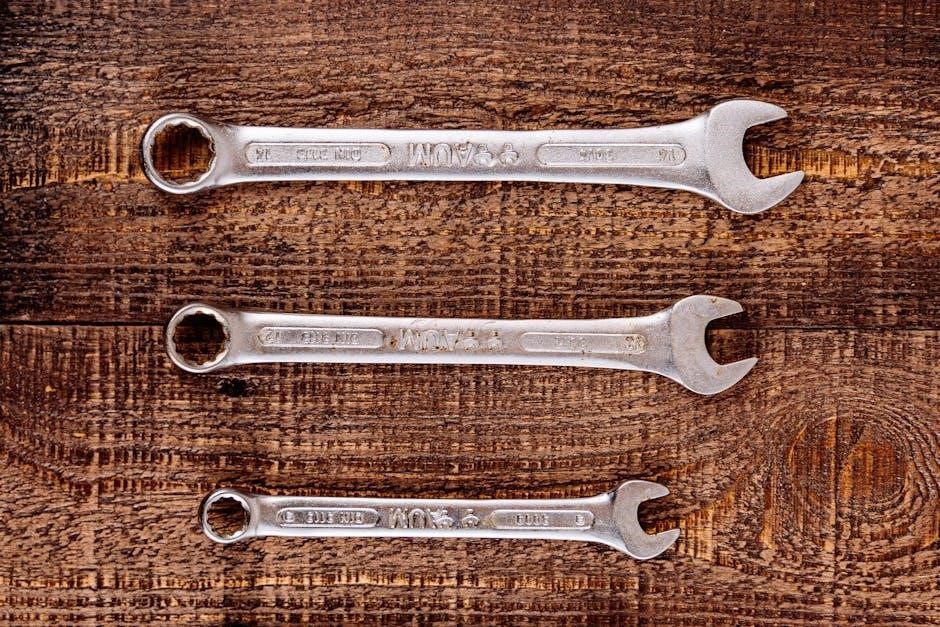
Essential tools include wrenches, screwdrivers, pliers, and a torque wrench. Specialized tools like a tire pressure gauge and spark plug socket are also necessary. Ensure you have a clean workspace and consult the manual for specific requirements to perform tasks safely and effectively.
4.1 Essential Tools for Servicing the Honda XL350
The essential tools for servicing the Honda XL350 include a set of wrenches, screwdrivers, pliers, and a torque wrench. A tire pressure gauge and spark plug socket are also necessary. Additionally, a socket set, Allen keys, and punches may be required for specific tasks. Always refer to the manual for detailed tool specifications to ensure proper servicing and safety. A clean, well-organized workspace is crucial for efficient maintenance.
4.2 Specialized Tools and Their Uses
Specialized tools for the Honda XL350 include a piston ring compressor, valve spring compressor, and crankshaft locking tool. These tools are essential for complex repairs like engine rebuilds. A steering stem nut wrench and swingarm pivot nut wrench are also required for specific adjustments. Using the correct specialized tools ensures precise adjustments, prevents damage, and guarantees safety during servicing. Always refer to the manual for tool specifications and usage guidelines.
Instrument Panel and Controls
The instrument panel features a speedometer, odometer, and warning lights for essential monitoring. Key controls include the ignition switch, headlights, and turn signals, ensuring safe operation and easy navigation.
5.1 Understanding the Instrument Panel Layout
The Honda XL350’s instrument panel is designed for clarity and convenience. It features a central speedometer, odometer, and trip meter, along with indicator lights for neutral, high beam, and turn signals. The layout ensures riders can monitor essential information at a glance, promoting safe and informed operation. Familiarizing yourself with the panel’s organization enhances your ability to navigate and maintain control while riding.
5.2 Functions of Key Controls and Switches
The Honda XL350 features essential controls designed for intuitive operation. The ignition switch powers the motorcycle, while the kill switch ensures emergency shutdown. Turn signal switches indicate direction changes, and the high beam switch adjusts headlight intensity. These controls are strategically placed for easy access, enhancing rider convenience and safety during operation. Understanding their functions is crucial for effective motorcycle management and control.
Engine Overview and Maintenance
The Honda XL350 engine is a reliable, air-cooled single-cylinder design, delivering robust performance. Regular maintenance, including oil changes and component inspections, ensures optimal functionality and longevity.
6.1 Engine Specifications and Components
The Honda XL350 features a reliable single-cylinder, air-cooled engine designed for durability and performance. Key components include the cylinder head, piston, crankshaft, and camshaft. The engine boasts a bore of 79mm and a stroke of 70.5mm, ensuring efficient power delivery. Regular maintenance of these components is crucial for sustained reliability and optimal engine operation, as outlined in the service manual.
6.2 Oil Change and Lubrication Guidelines
Regular oil changes are essential for the Honda XL350’s engine longevity. Use a high-quality 10W-40 motorcycle oil, with an approximate capacity of 1.2 liters. Replace the oil filter every 2,500 miles or as specified. Lubricate chain, pivot points, and control cables with lithium-based grease. Always refer to the service manual for precise intervals and recommendations to ensure optimal engine performance and durability.
6.3 Engine Repair and Rebuilding Procedures
Engine repair and rebuilding require precise disassembly and inspection of components like pistons, cylinders, and valves. Replace worn or damaged parts with genuine Honda replacements. Rebuild kits are available for convenience. Follow torque specifications and lubrication guidelines during reassembly. Consult the service manual for detailed step-by-step instructions to ensure proper engine function and longevity. Always use specialized tools to avoid damage during the process.
Transmission and Gearbox
The Honda XL350 features a durable transmission and gearbox designed for smooth power delivery. Regular maintenance ensures optimal performance and longevity. Refer to the service manual for detailed procedures and specifications to keep your motorcycle running efficiently. Proper care extends the life of these critical components, ensuring reliable operation on various terrains and conditions. Always follow recommended service intervals for best results.
7.1 Transmission Types and Operation
The Honda XL350 is equipped with a durable 6-speed manual transmission, designed for smooth power delivery and reliable performance. The transmission features a chain-driven system, ensuring efficient gear shifts and optimal torque transfer. Key components include gears, shafts, and bearings, all engineered for longevity. Regular maintenance, such as lubrication and gear inspection, is crucial for maintaining seamless operation; Refer to the service manual for detailed procedures and specifications to ensure proper functionality and extend the lifespan of the transmission system.
7.2 Gearbox Maintenance and Repair
Regular maintenance of the Honda XL350 gearbox is essential for optimal performance. Lubrication of gears and bearings is critical to prevent wear. Inspect gears for damage or wear and replace parts as needed. Bearings should be cleaned and greased periodically. If issues arise, consult the service manual for detailed repair procedures and torque specifications. Proper maintenance ensures smooth operation and prevents costly repairs, keeping your motorcycle running efficiently for years. Always follow the manual’s guidelines for disassembly and reassembly to avoid further damage.
Suspension and Steering
The Honda XL350’s suspension and steering system ensures stability and control. Regularly inspect and adjust components like front forks and rear shocks for optimal performance and safety.

8.1 Front and Rear Suspension Components
The Honda XL350 features a robust suspension system with front forks and rear shock absorbers. The front suspension includes steel alloy forks with internal springs and damping systems, while the rear suspension incorporates a swingarm with a centrally mounted shock absorber. These components are designed to absorb impacts, ensuring a smooth ride and precise control over various terrains. Regular inspection and maintenance are crucial for optimal performance and durability.
8.2 Adjustments and Replacements
Adjustments to the Honda XL350’s suspension involve tweaking preload and damping settings for optimal ride quality. Replacements are necessary when components like seals, bushings, or shocks show wear. Always consult the service manual for precise adjustment procedures and replacement guidelines. Regular maintenance ensures stability and control, while using genuine Honda parts guarantees reliability and performance. Proper adjustments and timely replacements are key to maintaining the motorcycle’s handling and safety.

Braking System
The Honda XL350’s braking system ensures reliable stopping power. Regular inspection of brake pads, rotors, and fluid levels is crucial for optimal performance and safety.
9.1 Brake Types and Components
The Honda XL350 features a reliable braking system with a front disc brake and rear drum brake. Key components include the brake rotor, caliper, pads, master cylinder, and brake shoes. These elements work together to provide consistent stopping power. Understanding each part’s function is essential for proper maintenance and ensuring rider safety. Regular inspection of these components is crucial for optimal braking performance and reliability;
9.2 Brake Pad Replacement and Fluid Change
Regular brake maintenance is crucial for safety. Replace brake pads when worn below 1mm. Inspect for wear, and replace in pairs if necessary. For fluid changes, use DOT 3 or 4 brake fluid. Bleed the system to remove air bubbles. Always follow the manual’s guidelines to ensure proper braking performance and avoid contamination. Cleanliness is key during these procedures to maintain reliability and effectiveness.
Electrical System
The electrical system powers essential components like lights, ignition, and controls. Proper maintenance ensures reliability and safety. Refer to the manual for detailed wiring diagrams and procedures.
10.1 Battery and Charging System
The battery powers the electrical system, while the charging system ensures it stays charged. Regularly check terminals for corrosion and electrolyte levels. The alternator and voltage regulator maintain proper charging. Follow manual guidelines for testing, charging, and replacing the battery to prevent electrical failures. Proper maintenance ensures reliable starting and consistent power supply to all components.
10.2 Wiring Diagrams and Fault Diagnosis
Wiring diagrams provide a clear map of the electrical system, aiding in troubleshooting. Use the manual’s diagrams to trace circuits and identify faults. Common issues include loose connections, blown fuses, or faulty components. Regular inspection and testing can prevent electrical failures. Refer to the manual for step-by-step diagnosis procedures to ensure accurate repairs and maintain reliability.
Fuel System and Carburetor

The fuel system and carburetor are crucial for optimal engine performance. Regular maintenance ensures proper fuel flow and combustion efficiency, preventing issues like poor idle or reduced power output.
11;1 Fuel System Components and Operation
The Honda XL350’s fuel system includes a fuel tank, petcock, carburetor, and fuel lines. The petcock regulates fuel flow, while the carburetor mixes air and fuel for combustion. Proper operation ensures efficient engine performance and prevents issues like stalling or poor idle. Regular cleaning and maintenance of these components are essential for optimal functionality and reliability.
11.2 Carburetor Adjustment and Cleaning
Regular maintenance of the Honda XL350’s carburetor ensures proper fuel delivery and engine performance. Cleaning involves disassembling, inspecting, and using a carburetor cleaner to remove dirt and old fuel residue. Adjustments should be made according to the service manual to achieve the correct air-fuel mixture. Proper tuning prevents issues like rough idling or poor acceleration, ensuring smooth operation and optimal engine efficiency.
Cooling System
The cooling system is essential for preventing overheating and ensuring optimal engine performance. Regular checks of the radiator, hoses, and coolant levels are crucial for reliability and longevity.
12.1 Cooling System Overview
The Honda XL350’s cooling system is designed to regulate engine temperature, preventing overheating. It includes a radiator, hoses, and coolant. Regular inspection of these components is vital to ensure proper function. The system circulates coolant through the engine, dissipating heat. Proper maintenance involves checking for leaks, corrosion, and ensuring the correct coolant mixture is used. This prevents damage and maintains optimal performance;
12.2 Maintenance and Repair Tips
- Regularly inspect hoses for cracks or leaks and replace them if necessary.
- Clean the radiator fins to ensure proper airflow and heat dissipation.
- Check the coolant level and top it off with a 50/50 water and antifreeze mixture.
- Inspect the radiator cap for proper sealing to maintain system pressure.
- Replace the coolant every 2 years or as specified in the service manual.

Exhaust System
The Honda XL350’s exhaust system includes mufflers, pipes, and catalytic converters. Regular inspection for damage or corrosion is crucial for optimal performance and emissions compliance.
13.1 Exhaust System Components
The Honda XL350’s exhaust system consists of a muffler, exhaust pipes, catalytic converter, and header pipes. These components work together to reduce emissions and optimize engine performance. Regular inspection for damage, rust, or leaks is essential to maintain efficiency. A well-maintained exhaust system ensures proper engine operation and compliance with emissions standards, while also enhancing the motorcycle’s overall reliability and riding experience.
13.2 Inspection and Replacement
Inspect the exhaust system every 5,000 miles for damage, rust, or leaks. Replace any damaged components promptly to prevent performance issues. Consult the service manual for torque specifications and replacement guidelines. Regular maintenance ensures optimal engine performance, reduces emissions, and prevents costly repairs. Always follow safety precautions when working with exhaust systems to avoid injuries and ensure compliance with safety standards.
Tires and Wheels
Proper tire pressure and wheel maintenance are crucial for safety and performance. Regularly inspect tread depth and check for damage. Consult the manual for guidelines.
14.1 Tire Pressure and Tread Check
Regularly inspect tire pressure to ensure optimal performance and safety. Check tread depth using a gauge, and look for signs of uneven wear or damage. Maintain recommended pressure levels as specified in the manual for your Honda XL350. Proper tire maintenance enhances handling, fuel efficiency, and overall riding safety. Always inspect tires before long rides.
14.2 Wheel Maintenance and Alignment
Regularly clean and inspect wheels for damage or wear. Check spoke tension and tighten as needed. Ensure proper wheel alignment using a alignment tool. Refer to the manual for torque specifications when reinstalling wheels. Proper maintenance ensures stability, improves handling, and prevents potential hazards. Always check bearings for smooth operation and replace if necessary to maintain optimal performance and safety.

Troubleshooting Common Issues
Identify symptoms, consult the manual for diagnostic steps, and address issues promptly. Regular checks and maintenance help prevent faults. Reference wiring diagrams for electrical problems and follow repair procedures for optimal resolution.
15.1 Diagnosing Engine Problems
Start by identifying symptoms such as rough idling, loss of power, or unusual noises. Consult the manual for diagnostic steps, including checking spark plugs, air filters, and carburetor function. Use tools like a compression tester to evaluate engine health. Reference wiring diagrams for electrical issues. Follow systematic troubleshooting to pinpoint faults accurately and perform effective repairs, ensuring your Honda XL350 runs smoothly.
15.2 Common Faults and Solutions
Common issues with the Honda XL350 include carburetor maladjustment, electrical system faults, and ignition problems. Solutions involve cleaning or replacing the carburetor, checking wiring connections, and ensuring proper spark plug function. Regular maintenance, such as oil changes and filter replacements, can prevent these issues. Refer to the manual for detailed repair procedures to address these faults effectively and maintain optimal performance.
Regular servicing and proper maintenance ensure your Honda XL350 performs optimally. Follow the manual’s guidelines, stay safe, and enjoy your riding journey with confidence and reliability.
16.1 Summary of Key Maintenance Practices
Regular oil changes, tire pressure checks, and filter replacements are crucial for optimal performance. Follow the manual’s guidelines for routine inspections and adjustments. Ensure all electrical systems are functioning properly, and refer to wiring diagrams for troubleshooting. Keep your Honda XL350 in top condition by adhering to the recommended maintenance schedule and using the correct tools for servicing. Consistency is key to longevity and reliability;
16.2 Encouragement for Regular Servicing
Regular servicing is vital to ensure your Honda XL350 performs optimally and remains reliable. By following the manual’s guidelines, you’ll enhance safety, performance, and longevity. Stay proactive with routine checks and maintenance to avoid unexpected issues. Make servicing a habit to enjoy uninterrupted rides and preserve your motorcycle’s value. Consistent care will reward you with years of trouble-free ownership and riding satisfaction.