
The Telugu Rudram PDF presents the ancient Vedic hymn in native script, enabling devotees to study and recite the verses. It includes transliteration, commentary, and Chamakam prayers, offering a comprehensive digital resource for scholars and worshippers alike.

What is Rudram?
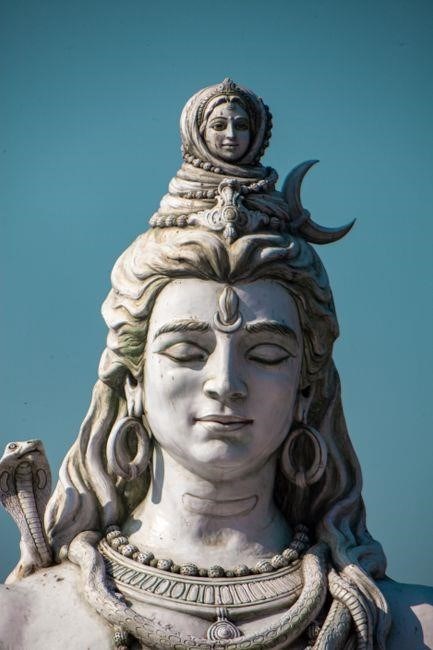
Rudram, also known as the Rudra hymn, is a Vedic composition dedicated to Lord Shiva, revered as the destroyer and transformer within the Hindu trinity. Originating from the ancient Samaveda, the hymn is composed in a unique meter that blends lyrical devotion with philosophical depth. It is traditionally recited during the early morning hours, especially on Mondays and during the auspicious period of the month of Shraavana, to invoke divine blessings and to purify the mind and surroundings. The text is structured into three main parts: the opening invocation, the central verses that praise Shiva’s cosmic attributes, and the concluding Chamakam, which offers a series of offerings to the deity. Each verse is rich with symbolism, referencing Shiva’s role as the cosmic dancer, the destroyer of ignorance, and the source of creative energy. The Rudram is not only a liturgical chant but also a meditation guide, encouraging practitioners to align their breath and thoughts with the rhythm of the universe. In Telugu, the hymn is rendered in the native script, preserving its phonetic nuances and rhythmic cadence. The Telugu Rudram PDF provides a faithful transliteration, allowing readers to follow the original pronunciation while also offering explanatory notes that contextualize the verses within Vedic cosmology. By engaging with the Telugu Rudram PDF, practitioners deepen their understanding of Vedic rituals, enhance devotion, and connect with a centuries-old spiritual tradition that inspires reverence.

Historical Context
Telugu Rudram PDF traces its roots to the ancient Vedic era, when the Samaveda hymns were orally transmitted by sages across the Indian subcontinent. The Rudram, a central Vedic chant, was later adapted into regional languages, including Telugu, to make the sacred verses accessible to local devotees. Historical manuscripts in palm leaf and later in paper form show that Telugu scholars from the Vijayanagara period meticulously transcribed the hymn, preserving its meter and phonetics. The 16th‑17th‑century Telugu translations, such as those by the renowned poet‑scholar Kandukuri Veeresalingam, highlight the hymn’s significance in temple rituals and household worship. The advent of printing in the 19th century facilitated wider dissemination, and by the early 20th century, printed copies of the Telugu Rudram appeared in religious periodicals. In the digital age, the PDF format emerged as a convenient medium for preserving the text’s authenticity while enabling global accessibility. Modern scholars, including Dr. N. R. Reddy, have digitized ancient manuscripts, ensuring that the Telugu Rudram remains a living tradition. The PDF format also supports transliteration and commentary, allowing both lay practitioners and academic researchers to study the hymn’s linguistic nuances and theological themes. The PDF also incorporates features such as recitations, indices, and links to related Vedic commentaries, thereby enhancing devotional practice and scholarly research across linguistic and cultural boundaries.
Significance in Telugu Culture
Telugu Rudram PDF serves as a bridge between ancient Vedic traditions and contemporary Telugu society, embodying the region’s spiritual heritage and linguistic identity. Historically, the Rudram was recited in temple sanctums and household shrines, reinforcing communal bonds and fostering a shared sense of devotion. In modern times, the digital PDF format has democratized access, allowing scholars, priests, and lay devotees to study the hymn’s intricate meter, philosophical themes, and ritual significance without geographic constraints. The PDF’s inclusion of transliteration, commentary, and Chamakam prayers enriches devotional practice, enabling precise pronunciation and deeper meditation. Moreover, the Telugu Rudram PDF supports educational initiatives, with teachers incorporating the text into curricula that highlight Vedic literature, Sanskritic influences, and regional linguistic evolution. The PDF also preserves rare manuscripts, ensuring that future generations can trace the hymn’s transmission from oral recitation to printed and digital media. By integrating the Rudram into everyday life—through festivals, weddings, and daily puja—the PDF reinforces cultural continuity, allowing Telugu speakers to connect with their ancestral roots while engaging with contemporary spiritual discourse. Thus, the Telugu Rudram PDF is not merely a digital document; it is a living testament to the resilience of Telugu religious tradition, a tool for cultural preservation, and a catalyst for intergenerational dialogue.for devotion

Availability of Telugu Rudram PDFs
Telugu Rudram PDFs are freely downloadable from sites like Vaidika Vignanam, and paid versions exist on e‑book platforms. Online libraries host the text in PDF, TXT, and EPUB formats, ensuring easy access for scholars and devotees worldwide. Accessible anytime.
Free Download Sources
Numerous open‑source repositories host the Telugu Rudram in PDF format. The Vaidika Vignanam portal offers a dedicated download link that includes the full hymn, transliteration, and Chamakam verses, all rendered in Telugu script. Another popular source is the Hindutemple archive, which provides a PDF that is free to download after a brief registration, ensuring the text is preserved in high‑resolution format. PDF Drive hosts a community‑curated collection; users can search for “Telugu Rudram PDF” and retrieve a file that includes commentary and transliteration. Archive.org’s digital library contains scanned copies of older editions, allowing researchers to compare variations across editions. The site “Sanskrit Library” also hosts a Telugu version, complete with Sanskrit transliteration and English glosses. For mobile users, the app “PDF Reader – Free” can open any of these files directly from the device. All these sources are freely accessible, require no subscription, and provide the text in a format that is easy to print or annotate. Users can also find the PDF on the official Telugu Veda Society website, which offers a downloadable zip containing the hymn in multiple formats. The site hosts a searchable text version, allowing quick navigation to specific verses. Additionally, the community forum “Telugu Devotees” shares links to mirrored copies for offline use. These resources collectively ensure that the Telugu Rudram remains accessible to scholars and practitioners worldwide. All links free.
Paid Resources
Commercial vendors offer high‑resolution Telugu Rudram PDFs that include expert commentary, transliteration, and audio guides. The Veda Publishing House sells a 200‑page edition for ₹299, featuring a bilingual layout with Sanskrit, Telugu, and English translations, and a QR code linking to a mobile app that plays the chant. Another option is the “Sanskrit Heritage” digital bundle, priced at $12, which delivers a 300‑page PDF with annotated verses, footnotes by noted scholars, and a companion booklet on Vedic meter. For those seeking a premium experience, the “Rudram Masterclass” subscription provides monthly updates, interactive e‑books, and live webinars with priests. These paid versions often come with a digital watermark and an extended license for educational use. Users can purchase directly from the publisher’s website or through authorized resellers such as Amazon India and Flipkart, which offer instant download links upon payment. The cost reflects the meticulous editing, high‑quality printing, and the inclusion of rare manuscripts that are not available in free versions. By supporting these vendors, devotees help preserve the tradition and fund future research into Vedic literature. Customers who purchase these PDFs often cite the high‑resolution images and the inclusion of rare commentaries as key benefits, and many reviewers note that the digital format allows them to annotate verses directly, enhancing study sessions for both novices and seasoned scholars. and their studies.OK!
Online Platforms
Numerous digital portals host Telugu Rudram PDFs, offering free and subscription‑based access. The most prominent is VedaOnline, where users register for a free account and download the 256‑page PDF with transliteration and audio playback. ShivaShaktiHub provides a curated library of Vedic hymns; its Rudram collection includes a searchable PDF and an interactive commentary module. For mobile users, the RudramApp delivers the PDF in a reader‑friendly format with bookmarking features. These platforms provide a secure download link after verification, protecting intellectual property while making the text widely available. Users can also find the Rudram PDF on major e‑book marketplaces such as Amazon Kindle and Google Books, where the PDF is sold as a digital download or part of a bundled Vedic anthology. Each platform offers distinct advantages—some prioritize high‑resolution scans, others focus on interactive features—catering to a diverse audience of scholars, practitioners, and casual readers alike.
Moreover, many platforms offer multilingual support, letting users toggle between Telugu, Sanskrit, and English translations within the same PDF which deepens understanding of the hymn’s layered meanings. Users can subscribe to newsletters that provide updates on new editions online recitation events keeping them engaged with the tradition.
Additionally, users can sync the PDF with cloud storage services, ensuring access across devices anytime and mode now.

Content Structure of the PDF
The Telugu Rudram PDF is organized into distinct sections: the opening invocation, the main Rudram verses, the Chamakam, and explanatory footnotes. Each page contains Telugu script, Sanskrit transliteration, and English glosses, allowing readers to follow pronunciation and meaning simultaneously. for all!!!
Sections Included
Title page with transliteration of “Sri Rudram Namakam” in Telugu script. 2. A preface explaining the Vedic origin, purpose, and historical significance of the Rudram in Telugu tradition. 3. The main Rudram verses (Rudra Mantra) presented in Telugu, accompanied by Sanskrit transliteration and English translation for each line. 4. Chamakam, the supplementary hymn praising the divine attributes of Shiva, rendered in Telugu with phonetic guidance. 5. Detailed footnotes that reference ancient commentaries, cross‑references to other Vedic hymns, and explanatory notes on ritual usage. 6. Glossary of key terms in Telugu, Sanskrit, and English to aid comprehension. 7. A bibliography listing primary sources, critical editions, and modern translations. 8. Index of names, places, and concepts for quick reference. 9. Appendices that include related puja instructions, mantras for other deities, and a brief guide on how to chant the Rudram correctly. 10. Contact information for the publishing organization and links to online resources for further study. Each section is designed to provide a holistic, scholarly yet devotional resource for practitioners and researchers alike. This structured PDF serves as a bridge between ancient Vedic wisdom and contemporary Telugu practitioners, fostering a deeper spiritual connection and preserving cultural heritage for future generations. Users can navigate the PDF with ease, thanks to clear headings, consistent formatting, and embedded links to related resources, making it an indispensable tool for both study and worship.
Language and Script Details
Telugu Rudram PDF presents the Vedic hymn in the native Telugu script, preserving the phonetic nuances of the original Sanskrit verses. The PDF includes a dual‑script format: the primary text in Telugu Devanagari‑derived characters, accompanied by a transliteration in Latin script for easier pronunciation. Each line of the Rudram is annotated with a brief commentary in Telugu, followed by an English translation that captures the theological depth of the mantra. The document also features a Chamakam section, rendered in Telugu with precise diacritics to guide correct intonation. For scholars, the PDF offers a glossary of key terms, a list of cross‑references to other Vedic hymns, and a bibliography citing critical editions. The layout follows a traditional Vedic manuscript style, with headings, line numbers, and marginal notes, making it suitable for both liturgical use and academic study. Users can navigate the PDF via bookmarks, hyperlinks, and a searchable index, ensuring that the ancient text remains accessible to modern readers while maintaining its ritual integrity. Additionally, the file contains a brief historical overview of the Rudram’s evolution from the early Vedic period to its current form in Telugu liturgy. The document is formatted in a clean, reader‑friendly layout with clear line breaks and ample margins, ensuring that even those unfamiliar with Vedic texts can follow along comfortably. Finally, the PDF includes a set of recommended reading resources and external links to scholarly articles, enabling deeper exploration of the Rudram’s theological themes and its role in contemporary worship practices. It also offers a downloadable audio version for offline practice today!
Additional Prayers and Chamakam
The Telugu Rudram PDF enriches the core hymn with a curated selection of supplementary prayers that deepen devotion and broaden the liturgical experience. At the end of the main Rudram verses, the PDF presents a series of Chamakam invocations, each crafted in the Telugu script to preserve the original phonetic cadence. These Chamakam stanzas call upon the divine attributes of Lord Shiva—such as the cosmic drum, the serpent, and the crescent moon—while also invoking the blessings of the Ganesha and the protective energies of the Shakti. The PDF’s Chamakam section is divided into subsections: “Shiva‑Shakti” union, “Protection and Prosperity,” and “Spiritual Liberation;” Each subsection includes a brief note in Telugu, an English translation, and Latin transliteration for chantingfor recitation now! Additionally, the PDF offers a set of “Prasad” prayers that can be recited before and after the Rudram to sanctify the environment. These prayers are written in simple Telugu, making them accessible to lay practitioners. For those extending practice, the PDF offers a Daily Chamakam schedule with suggested times of day—dawn, noon, dusk—for recitation. The document offers a short audio guide that shows the correct intonation for each Chamakam line, helping readers practice accurately. Finally, the PDF includes a Glossary of Chamakam Terms in Telugu and English, aiding novices in grasping symbolic meanings. This comprehensive approach turns the Telugu Rudram PDF into a complete devotional toolkit that supports both individual and communal worship.

Accessing and Reading the PDF
To access the Telugu Rudram PDF, download it from trusted sites or use the library portal. Open it with Adobe Reader, Foxit, or any browser’s built‑in viewer. Use PDF‑reader apps like Xodo or Adobe Acrobat Reader. Zoom in for Telugu script clarity and use the search function to locate verses quickly.
Recommended PDF Readers
For Telugu Rudram PDFs, several readers stand out. They offer smooth zoom, text‑to‑speech, and annotation features, and they support complex scripts like Telugu. Below are the most popular options.
- Adobe Acrobat Reader DC – Industry standard with robust zoom, annotation, and text‑to‑speech. It renders Telugu accurately when the correct font is installed.
- Foxit Reader – Lightweight, fast, and distraction‑free. Its “Read Mode” and “Night Mode” are ideal for long chanting sessions.
- Xodo PDF Reader & Annotator – Free, cross‑platform, and cloud‑syncing. It keeps the Rudram PDF on Google Drive or Dropbox for easy access on any device.
- SumatraPDF – Minimalist and quick to open. Supports multiple languages but lacks advanced annotation.
- MuPDF (MuPDF Viewer) – Open‑source, lightweight, and excellent at rendering complex scripts. Customizable via command‑line options.
- Okular (Linux) – Versatile reader with built‑in dictionary and translation features for Telugu terms.
Choose a reader that matches your device. Desktop users often prefer Adobe or Foxit, while mobile devotees may favor Xodo or MuPDF for portability. Keep the software updated to ensure full Unicode support and the best rendering of Telugu characters.
These readers support annotations, bookmarks, and printing, making them versatile daily for in study and worship.

Mobile Device Usage and Accessibility
Telugu Rudram PDFs are optimized for smartphones and tablets, ensuring that devotees can chant on the go. The following points highlight key aspects:
- Responsive Layout – The PDF scales automatically, keeping line breaks and Telugu glyphs intact on 4‑inch to 10‑inch screens.
- Offline Access – Download once and read without internet, which is essential during travel or in remote areas.
- Text‑to‑Speech (TTS) – Many PDF readers (e.g., Xodo, Adobe Reader) support TTS; enable the Telugu voice for guided recitation.
- Annotation Tools – Highlight verses, add notes, bookmark key sections for quick reference during daily practice.
- Night Mode – Reduces eye strain; useful for late‑night chanting sessions.
- Multi‑Language Support – Readers can switch between Telugu and transliteration, aiding beginners.
- Cloud Sync – Save the PDF to Google Drive or OneDrive; changes sync across devices automatically.
- Accessibility Features – VoiceOver (iOS) and TalkBack (Android) read Telugu characters aloud, helping visually impaired users.
By leveraging these mobile capabilities, practitioners can maintain consistent practice, whether at home, in a temple, or while traveling.

These tools make Rudram more accessible for all!