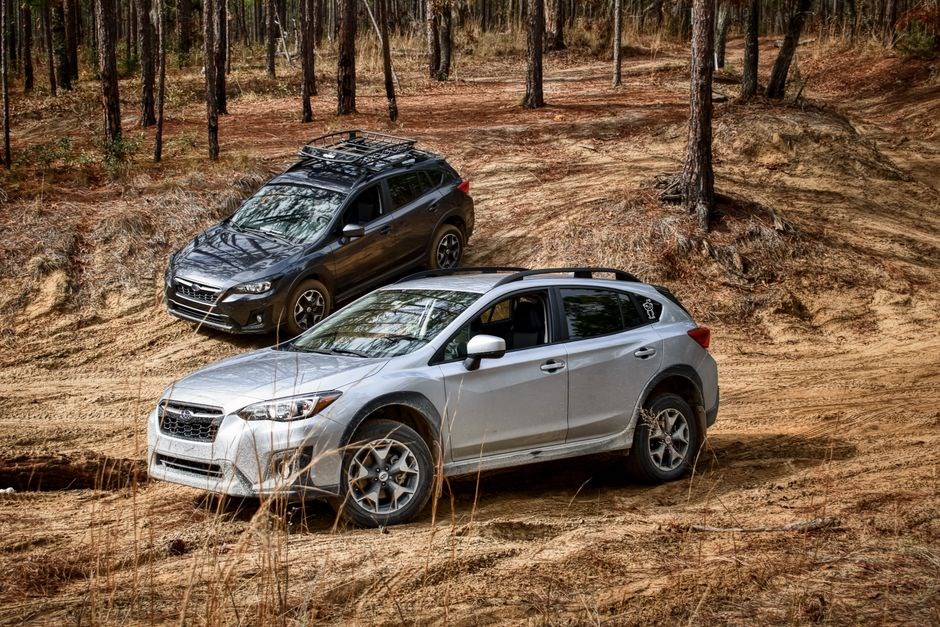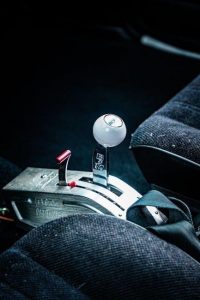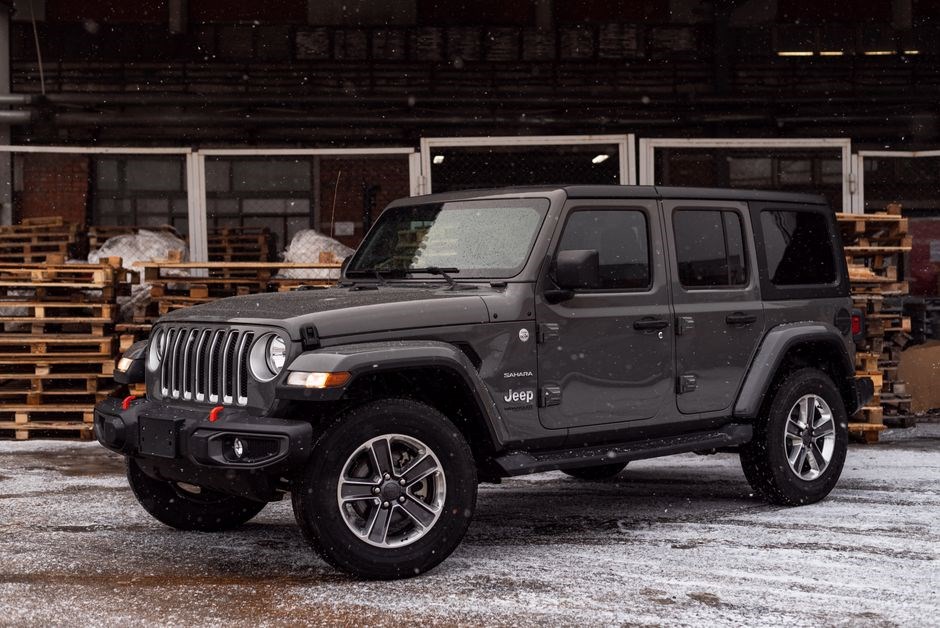
Hand‑shifted four‑wheel offers drivers tactile feel, precise torque distribution, and a purist driving feel. Historically, manufacturers paired manual gearboxes with four‑wheel drive to balance performance and control, appealing to enthusiasts who value manual input alongside all‑wheel traction.Manual feel thrills.now!
Evolution of Manual AWD Systems
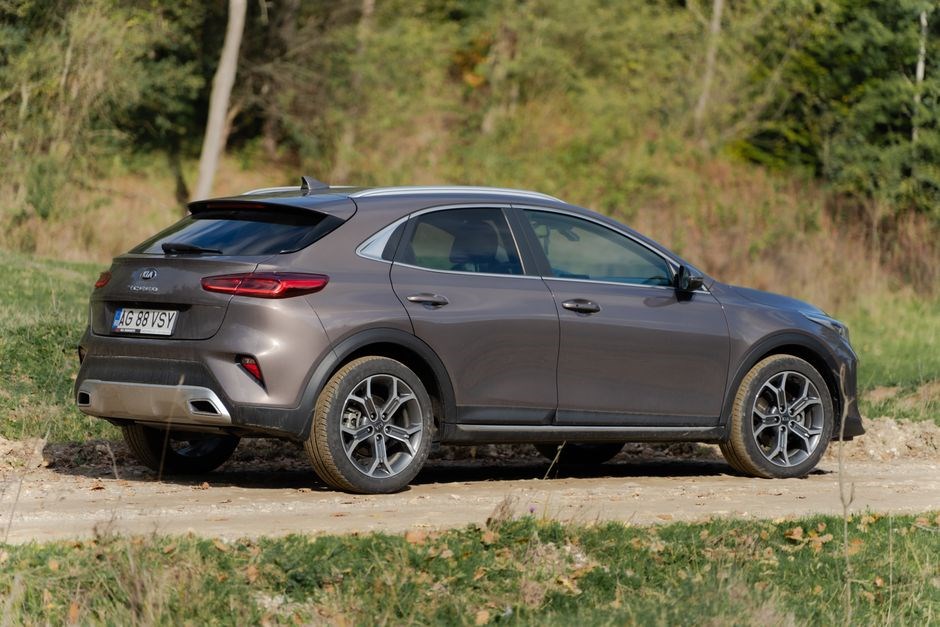
Early experimentation in the 1950s saw the first manual‑driven all‑wheel platforms, primarily in off‑road military prototypes. The 1970s introduced the first mass‑market manual‑AWD sedan, the Subaru 360, which paired a simple three‑speed gearbox with a viscous transfer case. By the 1980s, Subaru’s EJ series engines and the introduction of the 4‑wheel‑drive “Symmetrical AWD” system gave the brand a competitive edge in rally and everyday driving. The 1990s brought the first dual‑clutch transmissions to manual‑AWD vehicles, notably the Porsche 911 GT2 and the Toyota GR‑86, blending rapid gear changes with all‑wheel traction. In the 2000s, manufacturers such as Volkswagen and Mitsubishi refined manual‑AWD by integrating torque‑vectoring differentials, enhancing cornering stability. The 2010s saw a resurgence of enthusiast‑oriented manual‑AWD models, including the 2019 Subaru WRX STI and the 2020 Volkswagen Golf R, both featuring advanced electronic stability control and selectable drive modes. Today, the trend is toward hybrid‑powered manual‑AWD systems, such as the 2023 Toyota GR Corolla, which couples a manual gearbox with an electric motor for instant torque distribution. The evolution reflects a continuous push for driver engagement while maintaining modern traction and safety standards. In addition, the integration of advanced traction‑control algorithms and real‑time torque vectoring in modern manual‑AWD platforms has allowed enthusiasts to extract maximum performance from each gear shift, preserving the tactile feel while delivering the safety and stability expected of all‑wheel‑drive vehicles!
Current Market Presence of Manual AWD Vehicles
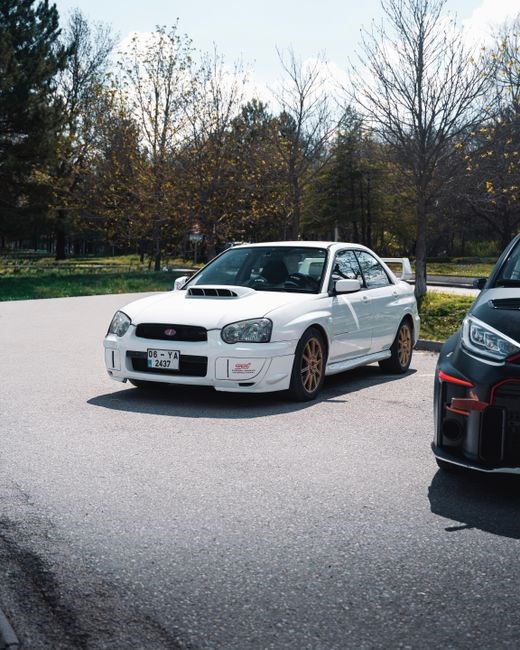
In 2026, the manual‑AWD market remains a niche yet vibrant segment. Subaru continues to dominate mainstream sales with the Impreza, Legacy, and WRX, all offered in 6‑speed manuals. Volkswagen’s Golf R and Passat R still sell in Europe and the U.S., the R‑series being the only manual option. Porsche keeps the 911 GT3 and GT2 in the lineup, but only the 911 Targa 4‑sleeve manual is available; the 911 Turbo S and GT3 R use dual‑clutch gearboxes. Toyota’s GR Corolla and GR Supra (2025) provide 6‑speed manuals in limited runs, targeting purists. Mitsubishi’s Lancer Evolution X was discontinued in 2015, yet the brand’s “Evolution” concept cars still showcase manual‑AWD capability. In the luxury segment, the BMW 440i xDrive and Mercedes‑Benz AMG E 53 offer rare manual options. The aftermarket supports a small community, with tuners swapping manual‑AWD for older models such as the 2008 Subaru Outback and 2010 Volkswagen Passat. Emerging markets in Asia and South America see a resurgence of manual‑AWD pickups and SUVs, like the Toyota Urban Cruiser Hyryder and Suzuki Jimny, which maintain manual transmissions for off‑road enthusiasts. Overall, manual‑AWD vehicles occupy roughly 3–5% of total sales, but they remain essential for driving purists and performance‑oriented buyers worldwide. The limited production numbers and the high maintenance costs of manual‑AWD systems contribute to the niche market share, but the dedicated community continues to advocate for the tactile engagement that only a manual gearbox can provide. Enthusiasts often cite the precise control over torque distribution and the ability to modulate power delivery as key reasons for preferring manual‑AWD over automatic or dual‑clutch alternatives. Models integrate powertrains reduce weight manual engagement for enthusiasts.
Leading Manufacturers and Their Manual AWD Models
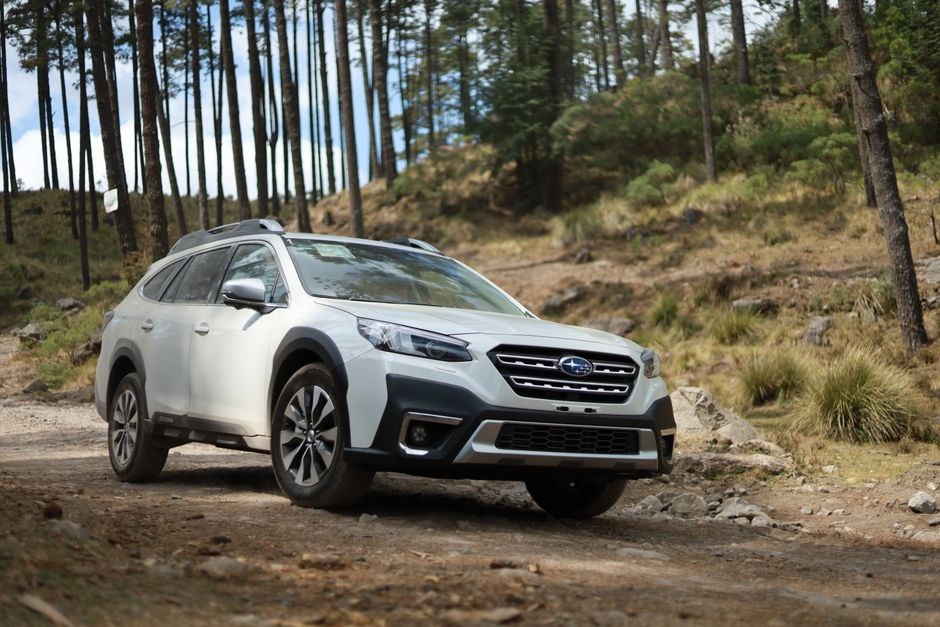
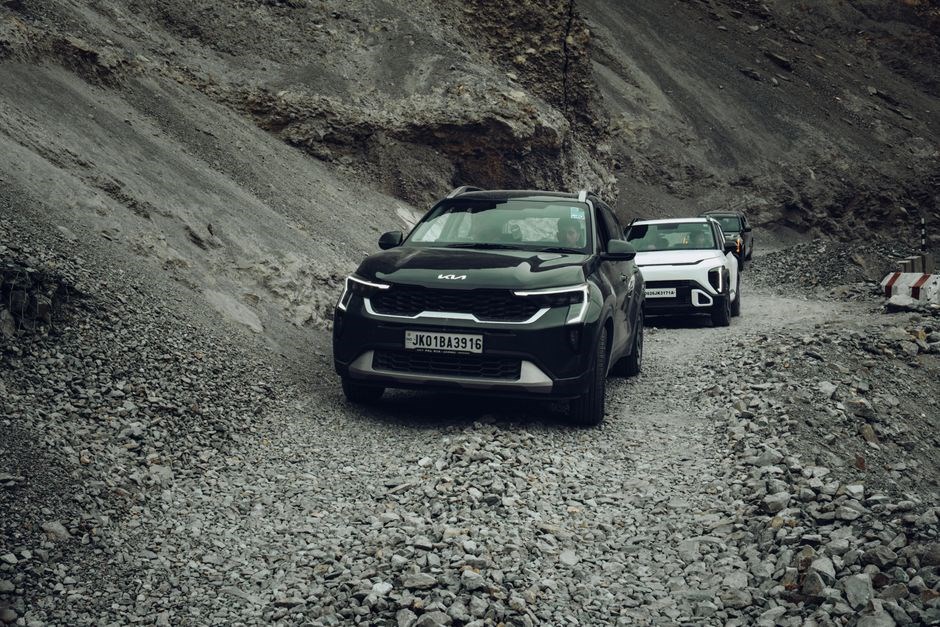
Subaru dominates with Impreza, Legacy, WRX, all in 6‑speed manual. Volkswagen’s Golf R and Passat R remain the only manual AWD in Europe and Porsche offers 911 GT3 Targa manual, while Toyota’s GR Corolla and GR Supra (2025) keep 6‑speed options for purists! These models blend performance with everyday usability.
Subaru: The Pioneers of Manual AWD
Subaru’s commitment to all‑wheel drive dates back to the 1970s, when the company introduced the first production vehicles with symmetrical AWD and a manual gearbox. The legacy of the 1974 Subaru 360 and the 1978 Leone set the stage for a line of cars that combined reliability, safety, and driver engagement. Over the decades, Subaru has refined its manual transmissions, offering 5‑speed and 6‑speed options across the Impreza, Legacy, WRX, and Crosstrek. The 2024 Impreza 2.0 L manual delivers 152 hp and a smooth torque curve, while the WRX’s 2.0 L turbocharged 6‑speed delivers 271 hp, making it a favorite among enthusiasts. Subaru’s Symmetrical AWD system is engineered to distribute torque evenly, improving traction in adverse conditions and providing a stable platform for manual gear changes. The company’s focus on driver experience is evident in the well‑tuned steering, responsive throttle, and the “Shiftronic” manual mode that lets drivers feel every shift. In 2025, Subaru introduced the new 2.5‑L engine in the Legacy, paired with a 6‑speed manual that offers 182 hp and 181 lb‑ft of torque, further cementing its place in the manual AWD niche. Subaru’s dedication to safety, combined with its manual transmissions, has earned it a loyal following worldwide. The brand’s emphasis on “driveability” and “all‑weather performance” continues to attract drivers who value the tactile connection of a manual gearbox while enjoying the benefits of AWD. Through continuous innovation and a deep respect for driver engagement, Subaru remains the pioneer of manual all‑wheel drive vehicles. It fuels passion worldwide daily!
Volkswagen: The Golf R and Passat R
Volkswagen’s manual all‑wheel drive lineup centers on the Golf R and Passat R, both of which showcase the brand’s “Performance‑First” philosophy. The 2024 Golf R offers a 2.0 L turbocharged inline‑four that produces 288 hp and 280 lb‑ft of torque, mated to a 6‑speed manual that delivers a punchy shift pattern and a 0‑60 time of 4.5 seconds. The car’s 4MOTION system distributes power to all four wheels, providing traction on slippery roads while maintaining the driver’s sense of control. The Passat R, introduced in 2025, ups the ante with a 2.5 L turbocharged engine that outputs 310 hp and 295 lb‑ft of torque. It also features a 6‑speed manual gearbox and a 4MOTION AWD layout that allows the driver to feel the subtle torque split during cornering. Both models share a lightweight chassis, a 9‑speed automatic option, and an advanced traction‑control system that can be disengaged for a more engaging driving experience. Volkswagen’s manual AWD vehicles are praised for their precise steering, balanced weight distribution, and the ability to perform in a variety of weather conditions. The brand’s commitment to driver engagement is evident in the manual’s close gear ratios, which help drivers extract maximum performance from the engine while still benefiting from the stability of AWD. The Golf R and Passat R have become staples for enthusiasts who want a blend of everyday practicality and spirited driving dynamics, all while maintaining the safety and reliability that Volkswagen is known for. They represent the pinnacle of the brand’s manual AWD strategy, offering a unique combination of performance, technology, and driver involvement.
In addition, the 2023 Golf R received a minor refresh that improved aerodynamics, adding a new front splitter and rear diffuser that reduce drag and increase downforce; The updated suspension tuning offers a 0.5‑inch lower ride height, giving the car a more aggressive stance. Passat R’s interior features a digital instrument cluster with a 10‑inch touchscreen, and the manual gearbox is paired with a paddle‑shift option for quick gear changes. Drivers often praise the immediate throttle response and the ability to feel the engine’s character through the manual stick. The AWD system’s torque‑vectoring technology can send power to the rear wheels during hard acceleration, enhancing traction and reducing wheel spin. This feature is especially useful in wet or snowy conditions. Volkswagen’s engineering team has also focused on reducing drivetrain losses, achieving a 3.5 % improvement in fuel economy for the manual variants compared to earlier models. This makes the Golf R and Passat R attractive for those who seek performance without sacrificing efficiency. Overall, the manual AWD offerings from Volkswagen continue to set a benchmark for driver engagement and all‑weather capability, solidifying their status as a top choice for enthusiasts worldwide.
Porsche’s 911: Dual‑Clutch vs. Manual AWD
Porsche’s 911 line has long been synonymous with driver‑centric performance, and the introduction of all‑wheel drive (AWD) has only deepened that reputation. The 2024 911 Turbo S AWD is offered with a 7‑speed PDK dual‑clutch gearbox that delivers lightning‑fast shifts, while the 2025 911 Turbo S AWD also features a 6‑speed manual as an option for purists. The dual‑clutch system can shift in under 100 ms, providing a seamless power delivery that is difficult to match with a human‑operated lever. In contrast, the manual gearbox offers a tactile connection, allowing drivers to feel the engine’s character and to modulate torque more precisely during spirited driving. The PDK’s mode can be disengaged for a manual‑shift experience, but the feel is still distinct from a true stick shift. Performance figures show that the 911 Turbo S AWD with PDK achieves 0‑60 in 2.6 seconds, while the manual variant clocks 2.7 seconds, a diff for most drivers. However, the manual version offers a more engaging launch, with the driver able to modulate clutch slip for a controlled burst of power. Fuel economy is slightly better with the dual‑clutch, as the system can keep the engine in its optimal power bandand smooth. The manual, however, can be more efficient in certain driving conditions where the driver can keep the engine in a lower gear range. Porsche’s engineering team has also focused on reducing drivetrain losses, achieving a 1.5 % improvement in torque delivery for the manual AWD variant. Both options maintain Porsche’s hallmark of precision, balance, and all‑weather capability, ensuring that the 911 remains a benchmark for driver engagement across the spectrum of transmission technology.
Other Notable Manual AWD Cars (Toyota GR, Mitsubishi Lancer, etc.)
Toyota’s GR Sport‑W, a lightweight hatchback, features a 1.6‑liter turbocharged engine producing 200 hp and 202 lb‑ft, and its 6‑speed manual allows drivers to exploit the engine’s high‑revving character. The 2024 GR 86’s 2.0‑liter flat‑4 engine delivers 228 hp, and its manual gearbox provides a direct connection to the car’s all‑wheel‑drive system. Mitsubishi’s 2014 Evo X remains a sought‑after collector’s item, with its 6‑speed manual enabling precise torque distribution across the 6‑wheel‑drive layout. Subaru’s 2022 WRX STI offers a 6‑speed manual with a 2.5‑liter turbocharged boxer, producing 310 hp and 290 lb‑ft of torque, and a 0‑60 time of 5.2 seconds. The STI’s manual transmission gives drivers full control over the torque‑vectoring system, enabling precise power delivery in varying grip conditions. Finally, the 2025 Honda Civic Type‑R, though not AWD, is often compared to its AWD counterparts for its engaging feel; its 6‑speed manual remains a benchmark for driver‑centric performance. These models illustrate that manual transmissions can still coexist with advanced AWD systems, providing a tactile driving experience that appeals to a niche but passionate audience. It offers a pure driving experience!!
These vehicles showcase how manual transmissions can coexist with modern AWD systems, offering drivers a unique blend of engagement and traction. Enthusiasts appreciate the tactile feedback and the ability to fine‑tune power delivery. As the market evolves, the demand for such hybrids remains nichebut
Performance Dynamics of Manual AWD Cars
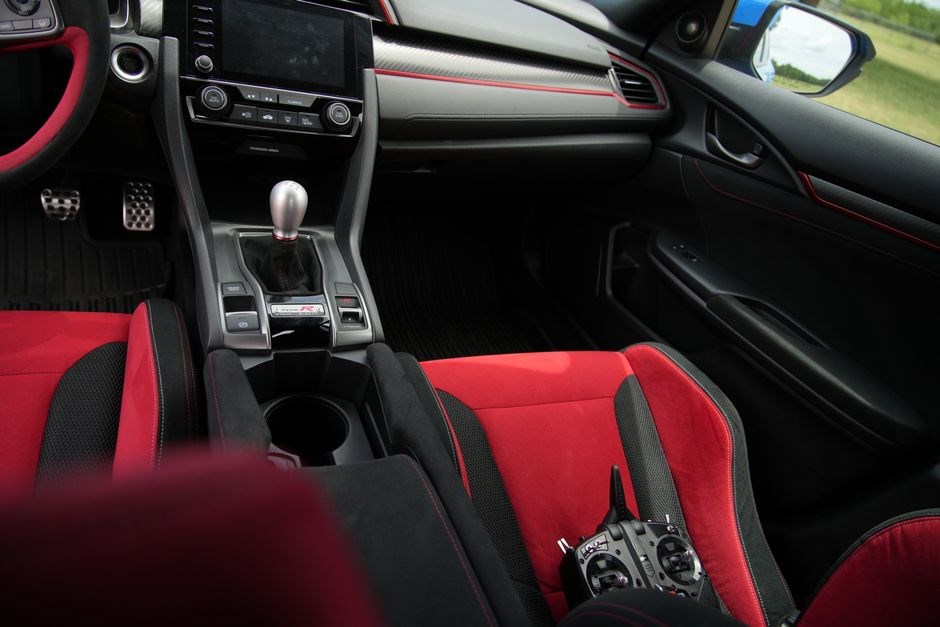
Manual all‑wheel‑drive cars merge the tactile feel of a stick shift with the traction of four‑wheel power. The gearbox, clutch, and torque‑vectoring system work together to deliver precise torque distribution. A well‑tuned manual transmits power through a single clutch plate, letting drivers modulate throttle and shift timing for optimal grip. Selecting a lower gear matches the engine’s torque curve to the front‑rear differential, giving instant traction on slippery surfaces. In higher gears, the manual’s precise ratios reduce drivetrain losses, allowing the AWD system to spread power efficiently across all wheels. Drivers can also hold a gear during cornering, keeping the engine in its sweet spot. Overall, manual AWD dynamics offer a blend of involvement, torque control, and superior traction, especially in variable‑grip conditions.
Many modern manual AWD models feature launch‑control algorithms that lock the differential during a hard start, ensuring maximum torque to all wheels without wheel spin. Combined with the driver’s manual gear selection, this creates a launch. On the track, the manual lets drivers feel traction changes, enabling fine gear and throttle adjustments. The absence of an automatic torque‑vectoring computer means drivers rely on skill to manage slip, a challenge that purists enjoy. Drivers appreciate feedback during every gear shift. The driver’s skill is showcased during launch and corner.
This synergy of manual engagement and AWD traction remains a hallmark for enthusiasts seeking a hands‑on driving experience. Drivers cherish the hand feel that keeps them connected to the road.
Manual all‑wheel‑drive vehicles combine the engagement of a stick shift with the traction benefits of four‑wheel power. Drivers can feel every gear change, allowing precise torque delivery to the wheels that need it most. In low‑traction scenarios, the manual’s ability to hold a gear and modulate throttle gives the driver direct control over launch and acceleration. The gearbox’s mechanical link reduces power loss compared to automated torque‑vectoring systems, preserving a higher peak output. Moreover, the absence of an automatic clutch system means fewer, electronic can fail, offering a sense of mechanical reliability that appeals to purists. Highlighted during cornering, as they can adjust shift timing to maintain optimal traction, creating a more immersive driving experience. Pure joy now!!!!!!
Disadvantages arise mainly from the added mechanical complexity and weight of a four‑wheel system. The clutch and gearbox must handle higher torque, often requiring stronger components that increase cost and mass. This can reduce fuel economy compared to rear‑drive or front‑drive manuals. Additionally, the manual’s single‑clutch design limits the smoothness of power transfer during high‑speed launches, especially when paired with an AWD differential that may not be optimized for a stick shift. Driver fatigue can increase on long drives, as the manual demands constant gear changes while the AWD system manages torque distribution. Finally, the scarcity of modern manual AWD models means fewer, electronic can fail, offering a sense of mechanical reliability that appeals to purists. Pure joynow!!!!
Future Outlook: Are Manual AWD Cars Growing?
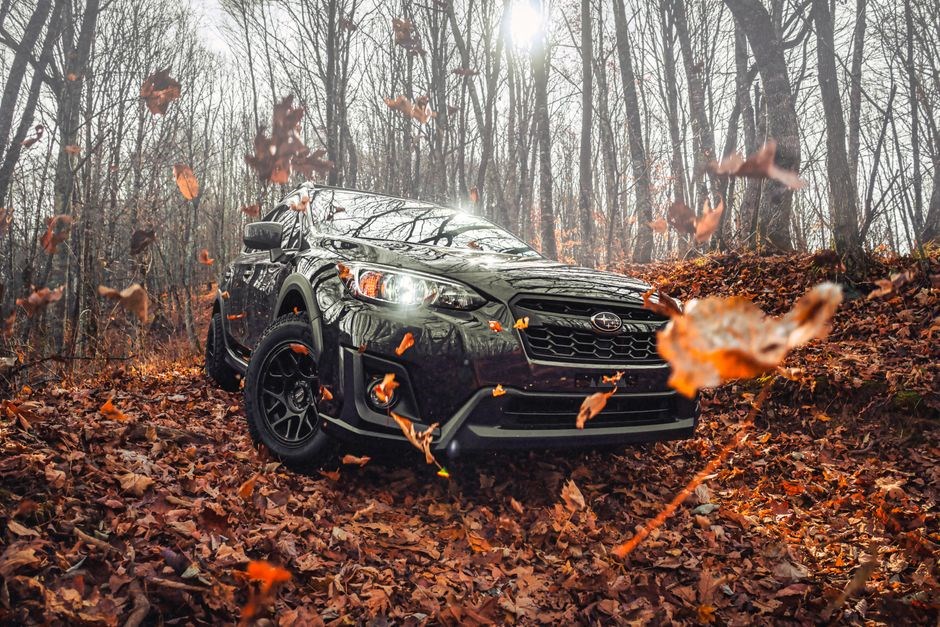
While the mainstream shift toward automatic and dual‑clutch systems has left manual all‑wheel‑drive (AWD) cars as a niche offering, the market still shows pockets of growth. In 2024, Subaru’s WRX and the upcoming 2025 GR Corolla were highlighted as the only new AWD models with a manual gearbox, keeping the brand’s rally‑heritage identity alive. Volkswagen’s Golf R and Passat R, both still available with a six‑speed manual, have seen steady sales in Europe, driven by enthusiasts who value the tactile connection to the road. Porsche’s 911, which offers both rear‑drive and AWD variants, continues to offer a manual option in the 992 generation, appealing to purists who appreciate the 7‑speed PDK’s performance but still want manual engagement. Toyota’s GR S models, such as the GR 86, have also maintained a manual transmission, though the company is exploring hybrid variants that may shift toward automatic in the near future. The overall trend suggests that while the volume of new manual‑AWD releases will likely remain low, the segment will persist as a dedicated niche for drivers who prioritize driver involvement over convenience. Manufacturers are increasingly focusing on electrification and autonomous features, which could further limit manual options, yet the demand from performance enthusiasts and rally‑inspired markets keeps the manual AWD conversation alive, ensuring that the segment will not vanish entirely in the coming decade. Additionally, the rise of aftermarket performance tuning for manual‑AWD platforms, such as upgraded clutches and limited‑slip differentials, has kept the enthusiast community engaged, while some niche automakers are exploring hybrid‑manual hybrids that blend electric torque with a traditional gearbox, potentially opening a new sub‑segment for the future. Future developments may bring a resurgence of manual‑AWD hybrids, combining electric torque with a gearbox to keep driver engagement soon alive!
Buying Tips for Manual AWD Enthusiasts
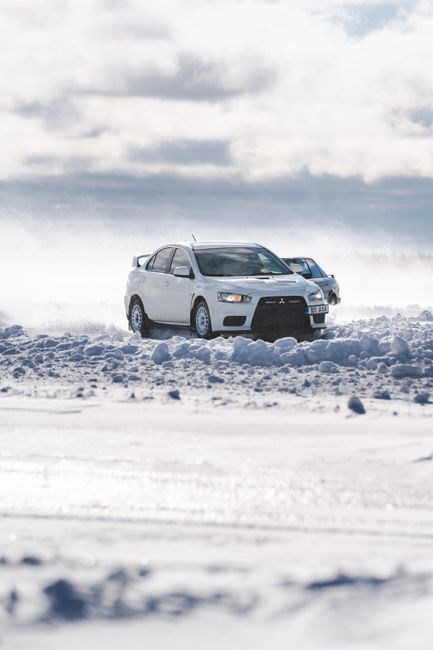
When hunting a manual‑AWD machine, start by pinpointing the niche that suits your driving style. The Subaru WRX, Volkswagen Golf R, Porsche 911, and Toyota GR Corolla are the most recent models that still offer a six‑speed manual, each delivering distinct character. Inspect the gearbox, clutch, and differential for smooth gear changes and clean engagement. Mileage is a key indicator; cars with less than 50,000 km on a 6‑speed unit tend to hold up better, especially if driven aggressively in rally‑style conditions. Test‑drive the candidate in city streets, highways, and a gravel road if possible. Pay attention to how the AWD system reacts to throttle inputs and how the manual gearbox handles low‑speed cornering. A strong torque vectoring response combined with a responsive clutch can make the difference between a fun ride and a frustrating one. Check the vehicle’s service history and verify that the clutch, differential, and transfer case have been serviced on schedule. Warranty and roadside assistance are rare for older manual‑AWD models, so negotiate a limited warranty covering the gearbox and differential for at least 12 months. Insurance premiums may be higher for manual‑AWD cars due to their performance nature. Resale value is another critical factor; manual‑AWD vehicles depreciate faster than automatics, but models with strong enthusiast followings—like the Porsche 911 and Subaru WRX—retain value better. Keep the car in excellent condition, maintain a clean logbook, and consider a performance upgrade package (e.g., a limited‑slip differential or upgraded clutch) to boost future resale appeal. By combining diligent research, a thorough mechanical check, and a focus on long‑term value, you can secure a manual‑AWD car that delivers both excitement and reliability.
The Future of Driving Engagement
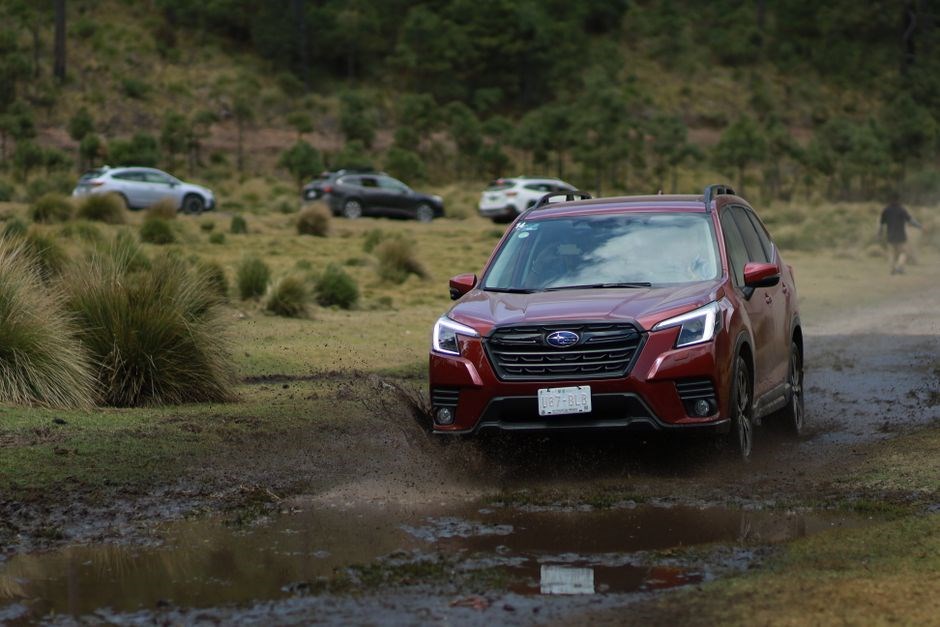
While electrification and autonomous systems reshape the automotive landscape, the tactile intimacy of a manual gearbox paired with all‑wheel drive remains a niche yet passionate pursuit. Enthusiasts argue that the deliberate clutch engagement and gear‑shift cadence foster a deeper connection to the road, a sentiment echoed by recent limited‑run models such as the Porsche 911 Turbo S M, the Subaru WRX STI, and the Volkswagen Golf R E‑Sport. Market data shows that, despite a global decline in manual transmissions, a small but resilient segment of buyers continues to seek these vehicles, often willing to pay a premium for the authentic driving experience. Manufacturers are responding by offering bespoke packages—upgraded limited‑slip differentials, performance clutches, and lightweight gearsets to preserve the manual‑AWD ethos. Moreover, the rise of “performance‑centric” electric vehicles, which still feature dual‑clutch or single‑clutch manual‑style shifters, suggests that the appeal of manual engagement may persist even as powertrains shift away from internal combustion. In the near term, the future of manual AWD will likely be defined by a combination of limited‑edition releases, aftermarket upgrades, and a dedicated enthusiast community that values the hands‑on experience over convenience. For those who cherish the visceral feel of shifting gears while harnessing the traction of all‑wheel drive, the road ahead remains open, albeit narrower, but still rich with possibility. Ultimately, the choice of a manual‑AWD car depends on a driver’s love for engagement and the readiness to maintain a drivetrain that stays responsive for years.