Infiniti Q50 Manual Transmission: A Comprehensive Overview (as of 04/21/2026)
The Q50, discontinued in 2024, briefly offered a desirable manual transmission, sparking renewed interest with recent teasers of a potential new generation model.
The Infiniti Q50, a luxury sedan once a mainstay of the brand’s lineup, experienced a complex production run, culminating in its discontinuation in the US market after the 2024 model year. However, a key aspect of the Q50’s history, and one that continues to generate significant enthusiast interest, is the availability of a six-speed manual transmission. This option wasn’t consistently offered throughout the Q50’s lifespan, making manual-equipped models particularly sought after today.
Initially, the Q50 offered both automatic and manual transmission choices, catering to a wider range of driver preferences. The recent announcement of a potential new generation Q50, teased at a dealer meeting, has reignited speculation about whether Infiniti will once again offer a manual transmission option, appealing to the purist driving experience many enthusiasts crave. The discontinuation initially signaled an end, but the future looks brighter.
Historical Context: Q50 Production Years and Transmission Options
The Infiniti Q50’s production spanned from the 2014 to 2024 model years, undergoing several updates and revisions during its tenure. Initially launched as a replacement for the G37, the Q50 offered a choice of engines, including 3.7-liter V6 and later, a turbocharged 3.0-liter V6. Crucially, the manual transmission was primarily available during the earlier production years, specifically paired with the 3.7-liter V6 engine.
As the Q50 evolved, Infiniti gradually reduced the availability of the manual transmission, focusing more on automatic options to align with broader market trends. By the later years of production, the manual was largely phased out. The 2024 discontinuation of the Q50 marked the end of an era for the sedan, but the limited-run manual versions now hold a special place in automotive history, driving collectibility.
Why the Manual Transmission Q50 is Sought After
The Q50 with a manual transmission has become highly sought after by enthusiasts due to its rarity and the engaging driving experience it offers. In a market increasingly dominated by automatics, the availability of a stick shift Q50 provides a connection to the driving experience that many find appealing. The manual transmission allows for greater driver control and a more visceral feel, enhancing the sporty nature of the vehicle.
Furthermore, the discontinuation of the Q50 sedan in 2024, coupled with the limited production of manual models, has fueled its collectibility. Recent teasers hinting at a new Q50 generation also contribute to the desirability, as manual availability remains uncertain, making existing models even more valuable.
Technical Specifications of the Q50 Manual Transmission
Specific details regarding gear ratios, clutch type, and compatible engines for the Q50’s manual transmission are crucial for understanding its performance capabilities.
Engine Compatibility: Which Q50 Engines Were Offered with a Manual?
The availability of a manual transmission on the Infiniti Q50 was notably limited, primarily offered with the 3.7-liter V6 engine during specific production years. This configuration catered to enthusiasts seeking a more engaging driving experience. While the 2.0-liter turbocharged four-cylinder engine became available in later Q50 models, it was exclusively paired with an automatic transmission.
Infiniti did not offer the manual transmission option with any other engine variant throughout the Q50’s production run. This exclusivity makes the 3.7L V6 manual Q50 a particularly sought-after model among collectors and driving purists. The decision to restrict the manual to this single engine likely stemmed from market demand and engineering considerations, focusing the option on the engine best suited for enthusiast appeal.
Transmission Details: Gear Ratios and Internal Components
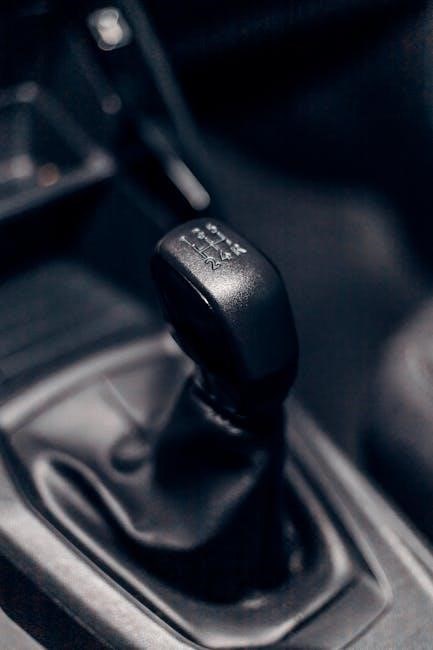
The Q50’s manual transmission is a robust 6-speed unit, designed to handle the power of the 3.7-liter V6 engine. Specific gear ratios haven’t been widely publicized, but it’s understood to prioritize a balance between acceleration and highway cruising efficiency. Internally, the transmission features a traditional synchromesh design, ensuring smooth and precise gear changes.
While detailed breakdowns of internal components are scarce, it’s believed to utilize durable materials to withstand the higher torque loads associated with the V6. The transmission’s casing is constructed from a high-strength alloy, contributing to its overall rigidity and longevity. Enthusiasts often note the transmission’s relatively short throw, enhancing the sporty driving feel, and its overall reliability when properly maintained.
Clutch Specifications: Type, Size, and Performance Characteristics
The Q50 manual utilizes a traditional, hydraulically actuated single-disc clutch system. The clutch diameter is approximately 268mm (10.55 inches), designed to effectively transfer power from the 3.7-liter V6 to the 6-speed manual transmission. The pressure plate provides sufficient clamping force for reliable engagement, even with moderate performance modifications.
Performance characteristics are generally considered good for daily driving, offering a progressive pedal feel and predictable engagement point. However, enthusiasts pushing the engine’s limits often upgrade to performance clutches with increased clamping force and heat resistance. Stock clutches typically exhibit good longevity with normal use, but aggressive driving or track use can significantly reduce their lifespan.
Driving Experience and Performance
The Q50 manual delivers a driver-focused experience, praised for its engaging shift feel and responsive handling, offering a connection lost in automatic variants.
Shifting Feel and Precision
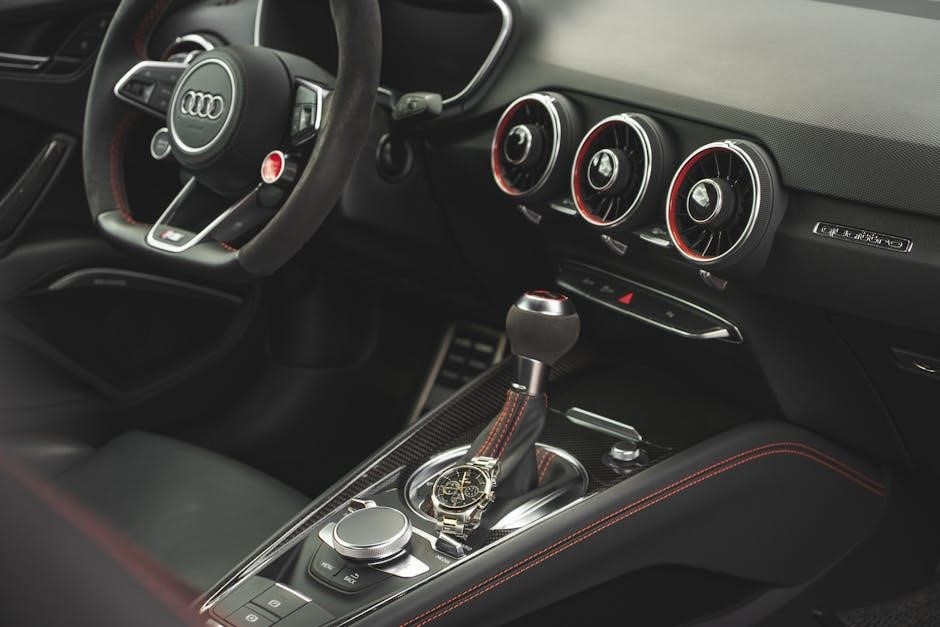
The Q50’s manual transmission is frequently lauded for its remarkably direct and engaging feel, providing a tactile connection between driver and machine. Gear changes are generally described as precise, with a relatively short throw that enhances the sporty driving experience. While not universally praised as the absolute best in its class, the Q50 manual offers a satisfying level of control and feedback.
Many enthusiasts appreciate the weighting of the clutch pedal and the distinct gate feel within the transmission itself. This allows for confident and deliberate gear selection, crucial for maximizing performance and enjoyment. The transmission isn’t known for being overly notchy or vague, contributing to a smoother and more refined driving experience compared to some other performance-oriented manual transmissions of the era.
Performance Metrics: Acceleration and Top Speed
Official performance figures for the Q50 manual varied depending on the engine and model year, but generally offered respectable acceleration for its class. The 3.7-liter V6, when paired with the six-speed manual, typically achieved 0-60 mph times in the low-to-mid 5-second range, making it a genuinely quick sedan. Top speed was electronically limited to 155 mph, though real-world testing often showed slightly lower figures due to aerodynamic drag.
The manual transmission itself didn’t significantly hinder acceleration compared to the automatic variants, and in some cases, skilled drivers could even achieve slightly quicker times due to greater control over gear selection. However, consistent and repeatable launches were more challenging with the manual, requiring practice to master.
Handling Characteristics with a Manual Transmission
The Q50’s handling was noticeably enhanced with the manual transmission, fostering a more engaging and connected driving experience. The driver’s ability to select gears precisely allowed for better control during cornering, maximizing the potential of the chassis. While not a dedicated sports car, the Q50 manual offered a balanced ride, combining comfort with responsive steering.
The six-speed manual encouraged more active participation, allowing drivers to maintain optimal engine RPM for corner exits. Weight distribution remained similar to automatic models, but the increased driver involvement translated to a more confident and enjoyable feel on winding roads. It truly elevated the driving dynamics.

Maintenance and Reliability
Q50 manual transmissions generally prove reliable, but clutch wear is a key concern; regular inspections and fluid changes are crucial for longevity.
Common Issues with the Q50 Manual Transmission
While generally robust, the Q50’s manual transmission isn’t without its potential drawbacks. The most frequently reported issue centers around clutch wear, particularly for drivers who engage in spirited driving or frequent stop-and-go traffic. Owners have noted that the stock clutch can begin to slip prematurely, requiring replacement sooner than anticipated.
Synchro issues, specifically with second gear, have also surfaced in some cases, manifesting as difficulty engaging the gear smoothly, especially when cold. Less common, but still reported, are concerns regarding the throw-out bearing, which can produce noise or fail over time. Regularly checking transmission fluid levels and condition is vital, as low or contaminated fluid can exacerbate these issues. Finally, some owners have experienced minor linkage adjustments being needed to maintain precise shifting.
Recommended Maintenance Schedule
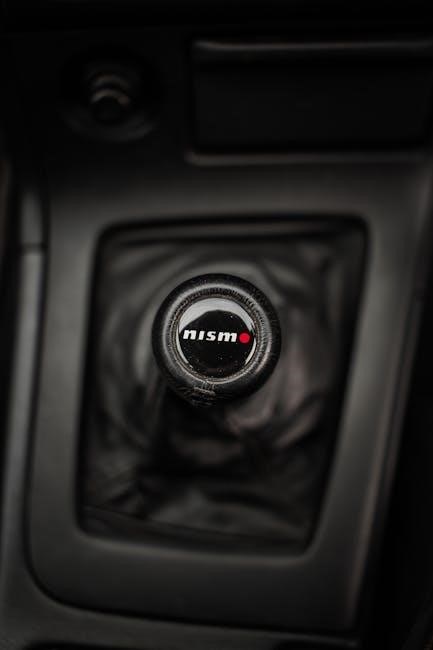
Maintaining the Q50’s manual transmission requires a proactive approach to ensure longevity and optimal performance. Every 30,000 miles, or two years (whichever comes first), the transmission fluid should be inspected and replaced if necessary. Using the manufacturer-recommended fluid type is crucial.
The clutch should be inspected for wear during routine service, with replacement considered if slippage is detected. Check the clutch linkage for proper adjustment every 15,000 miles to maintain precise shifting. Regularly inspect the shift boot for tears, preventing debris from entering the transmission. Pay attention to any unusual noises or vibrations, addressing them promptly. A thorough inspection of the transmission mounts should also be included in the schedule, ensuring secure mounting and minimizing vibration.
Parts Availability and Cost
Sourcing parts for the Q50 manual transmission can present challenges due to its limited production run. Common wear items like clutch kits typically range from $300 to $600, depending on the brand and quality. Transmission fluid, specific to the Q50, costs around $20-$30 per quart.
More specialized components, such as gears or synchros, may require searching through online marketplaces or specialized Infiniti parts suppliers. Expect to pay $100-$300 per gear. Labor costs for transmission repairs can vary significantly, ranging from $500 to $1500, depending on the complexity of the job. Due to the Q50’s discontinuation, prices may increase over time as parts become scarcer.
Modifications and Upgrades
Performance enhancements for the Q50 manual include upgraded clutches, short-shifter kits, and transmission cooling solutions for increased durability and responsiveness.
Performance Clutch Upgrades
For Q50 manual transmission enthusiasts seeking enhanced performance, upgrading the clutch is a common and effective modification. The stock clutch, while adequate for daily driving, can struggle to handle the increased power output from engine modifications or aggressive driving styles. Several aftermarket options are available, ranging from mild upgrades offering increased clamping force to full-race clutches designed for extreme power levels.
Popular choices include clutches from brands specializing in performance components. These upgrades often feature stronger pressure plates, more robust friction discs, and reinforced throw-out bearings. Considerations when selecting a clutch include driving style, intended use (street, track, or both), and budget. A heavier-duty clutch may require increased pedal effort, so it’s crucial to balance performance gains with daily drivability. Proper installation is vital to ensure optimal performance and longevity of the upgraded clutch system.
Short Shifter Options
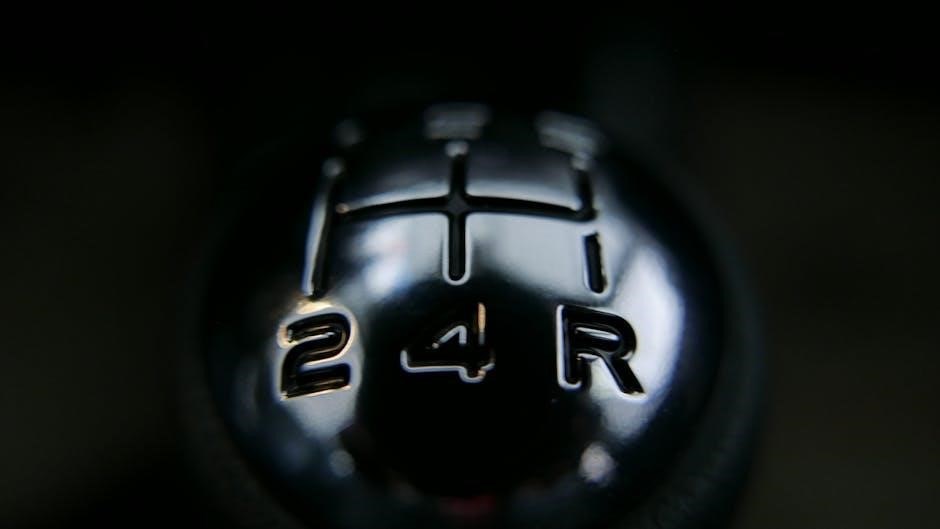
Q50 manual transmission drivers often seek to improve the driving experience with a short shifter, reducing throw length for quicker, more precise gear changes. The factory shifter, while functional, can feel somewhat long and vague, particularly for performance-oriented drivers. Aftermarket short shifters address this by decreasing the distance the shift lever travels between gears.
Several companies offer short shifters specifically designed for the Q50’s transmission. These typically involve replacing internal components within the shifter assembly, resulting in a noticeably shorter and more direct feel. Installation can range from relatively straightforward to more complex, depending on the specific kit. Benefits include faster shift times, improved driver engagement, and a more sporty feel. When choosing a short shifter, consider the degree of reduction in throw and the overall quality of construction for long-term durability.
Transmission Cooling Solutions
For Q50 manual transmission vehicles subjected to demanding driving conditions – track days, aggressive street use, or towing – supplemental transmission cooling is highly recommended. The increased heat generated during these activities can degrade transmission fluid, leading to reduced performance and potential damage. Stock cooling systems may prove inadequate under sustained stress.
Several cooling solutions are available, ranging from simple fluid upgrades to full-fledged cooler kits. High-performance transmission fluid with enhanced thermal properties can offer a modest improvement. More substantial solutions involve installing an auxiliary transmission cooler, often mounted in front of the radiator, to dissipate heat more effectively. These kits typically include lines, fittings, and a cooler core. Proper installation is crucial to ensure optimal cooling and prevent leaks. Investing in a robust cooling system safeguards the longevity and reliability of the Q50’s manual transmission.

Market Value and Collectibility
Q50 manual models command a premium due to their rarity, especially following the 2024 discontinuation, and potential future classic status.
Current Market Prices for Q50 Manual Models
As of April 21, 2026, the market for Q50 models equipped with a manual transmission is experiencing a notable upswing in value. Prices vary considerably based on condition, mileage, and model year, but generally exceed those of automatic counterparts.
Expect to find well-maintained 2016-2019 examples ranging from $22,000 to $35,000, while lower-mileage or exceptionally clean specimens can easily surpass $40,000. Later model years (2020-2024) command even higher premiums, often exceeding $45,000, particularly for limited editions or those with desirable option packages. The recent discontinuation of the Q50 sedan has further fueled demand, driving prices upward as collectors and enthusiasts seek to acquire these increasingly rare vehicles. Online marketplaces and auction sites consistently showcase manual Q50s selling above initial estimates, demonstrating a strong and growing collector base.
Factors Influencing Resale Value
Several key factors significantly impact the resale value of Q50 models with manual transmissions. Condition is paramount; meticulously maintained examples with complete service records command substantial premiums. Lower mileage is also crucial, with fewer driven cars fetching higher prices.
Furthermore, the specific trim level and optional equipment play a role, with Sport models and those equipped with premium packages being more desirable. The increasing rarity due to the Q50’s discontinuation in 2024 dramatically boosts value. Any modifications, particularly performance upgrades, can either increase or decrease value depending on their quality and appeal to potential buyers. Originality is often prized by collectors, so unmodified examples often retain higher resale values.
Q50 Manual as a Future Classic?
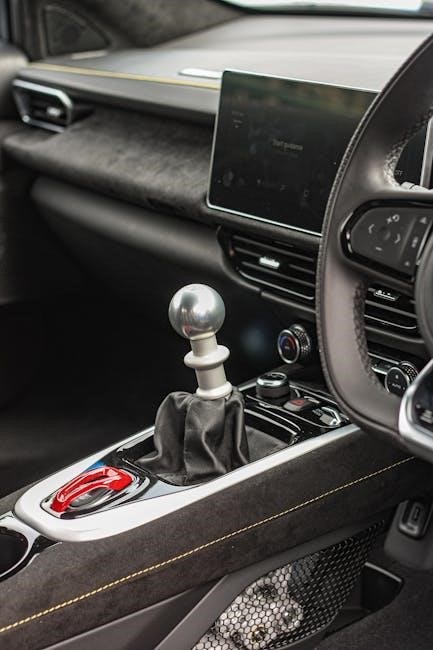
The Q50 manual transmission variant possesses a growing potential to become a future classic, fueled by its rarity and enthusiast appeal. With Infiniti exiting the sedan market in 2024, and the Q50 discontinued, the manual models represent a unique offering.
The recent teasing of a new Q50 generation further enhances this possibility, potentially solidifying the original manual’s status as a desirable collector’s item. Its status as a driver’s car, offering a connection lost in modern automatics, contributes to its allure. Preservation of original condition will be key to maximizing future value, appealing to collectors seeking authentic examples of a fading automotive era.

Infiniti’s Recent Announcements Regarding the Q50 (2024 Discontinuation & Potential New Generation)
Infiniti discontinued the Q50 in 2024, but recently teased a new generation at a dealer meeting, sparking speculation about future manual availability.
Impact of the 2024 Discontinuation on Manual Transmission Values
The 2024 discontinuation of the Infiniti Q50 significantly impacted the values of manual transmission models, immediately elevating them to collector’s item status. With the sedan’s exit from the American market, the limited number of Q50s equipped with a manual gearbox became increasingly rare and sought after by enthusiasts.
Prior to the announcement, manual Q50s held a modest premium over their automatic counterparts. However, post-discontinuation, prices have experienced a noticeable surge, driven by heightened demand and limited supply. This trend is expected to continue, particularly for well-maintained, low-mileage examples. The discontinuation effectively cemented the manual Q50’s position as a future classic, influencing its market value and collectibility.
Speculation on Manual Transmission Availability in a New Q50
Recent teasers from Infiniti’s dealer meeting have ignited fervent speculation regarding the potential inclusion of a manual transmission in the next-generation Q50. While official confirmation remains elusive, the renewed focus on enthusiast appeal suggests a willingness to consider options beyond solely automatic transmissions.
Industry observers believe that offering a manual variant would cater to a dedicated fanbase and differentiate the new Q50 from competitors. However, factors such as low overall demand and development costs present challenges. A limited-production run or a performance-oriented trim level could be viable strategies. The possibility, however slim, has generated considerable excitement within the automotive community, hoping for a return to driver engagement.
Dealer Meeting Teasers and Future Prospects
Infiniti’s recent dealer meeting in Las Vegas unveiled tantalizing glimpses of a new Q50 generation, sparking considerable buzz and speculation. Automotive News reported on the event, highlighting a significant shift in design philosophy and a renewed focus on performance. While details remain scarce, the presented imagery suggests a more dynamic and engaging vehicle than its predecessor.
The teasers haven’t explicitly mentioned a manual transmission, but the overall emphasis on driver experience fuels hope among enthusiasts. Dealer feedback and market analysis will likely play a crucial role in determining the final configuration. The future of the Q50 appears brighter, potentially signaling a return to form for the brand and a renewed commitment to enthusiast-focused vehicles.